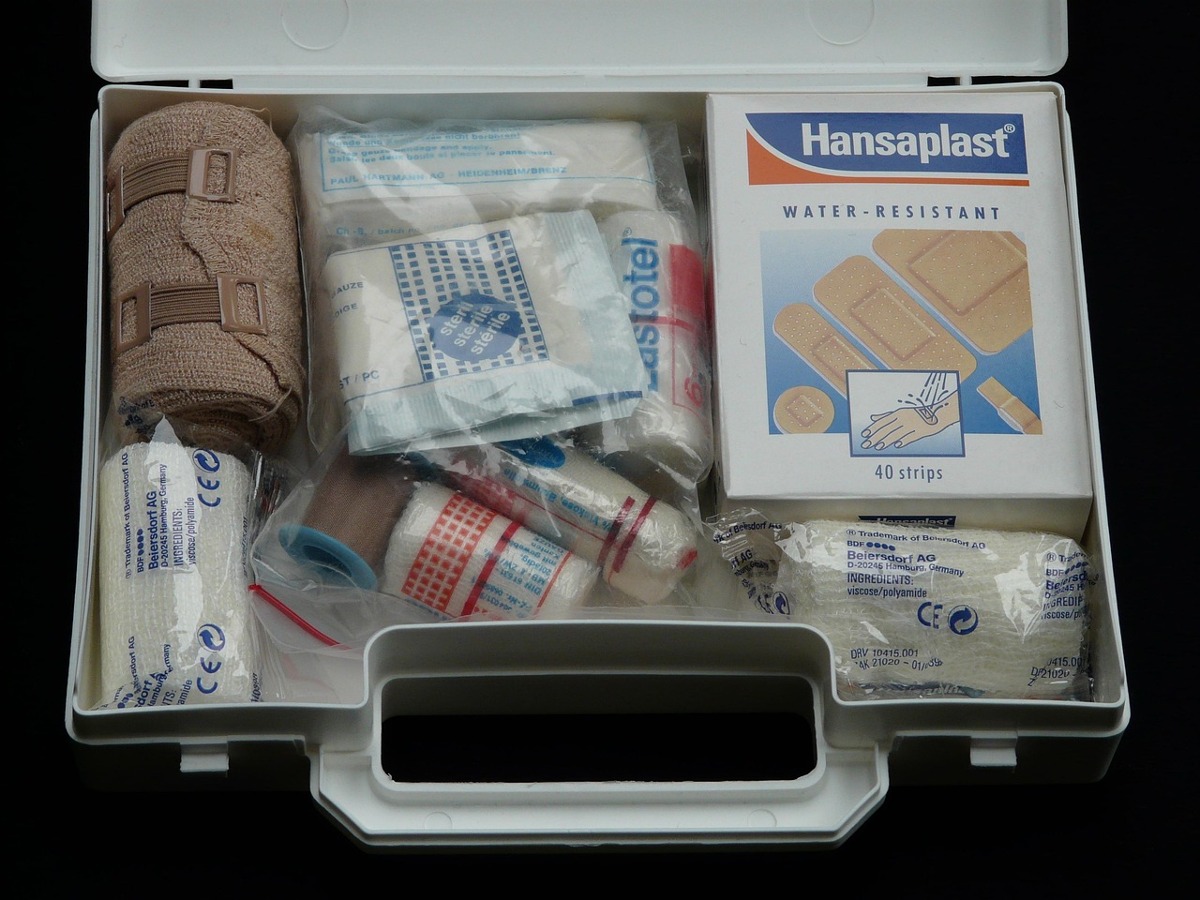
Lying on my hotel bed in Cairo, I felt absolutely lousy. Beside me was a huge pile of tissues, and I was dozing while waiting for my husband and daughter to return with more supplies: tissues, painkillers, lip balm, perhaps the entire chemist’s shop. Anything that might make me feel better!
I was fairly certain I’d caught my virus from a lady at Heathrow Airport who told me she was feeling ill and then promptly coughed in my face. Charming!
Fortunately, I’d managed to see most of the sights I wanted to before I finally waved the white flag and retreated to bed. But while everyone else was admiring incredible ancient tombs, I was often searching for somewhere to sit down. Even walking a few steps around archaeological sites felt like an Olympic event.
The last thing you want when travelling is to get ill. Unfortunately, it happens, and being poorly somewhere unfamiliar can be particularly miserable.
The good news is you can do simple things to reduce risk and improve your chances of enjoying your trip.
Vaccinations
About 2 months before you travel, check which vaccinations you need for the countries you are visiting. On our last trip, a vaccination appointment was cancelled, leaving us desperately hunting around; we found somewhere, but it was more expensive and farther away.
Also, don’t forget to check whether you need malaria tablets.
https://www.nhs.uk/vaccinations/travel-vaccinations
Avoiding holiday sickness
Have you ever finished a busy week at work, looked forward to a relaxing weekend, and then woken up with a headache, sore throat or aching limbs?
Some people experience something similar on holiday. It’s sometimes called leisure sickness or leisure illness.
The idea is that people who lead busy, stressful lives seem to become ill just as they finally have time to relax. However, the reasons aren’t fully understood, and it’s not simply your immune system switching off when you stop working.
Why do we get ill just as we’re about to relax?
There are a few possible explanations.
When you’re busy, you might ignore a mild headache, a sore throat or that general feeling of being under the weather. Once you stop and have time to think, you may notice symptoms that were already there.
Then there’s the run-up to a holiday.
You might work late to finish a project, train someone to cover your job, squeeze in a few extra tasks, and try to fit in everything you haven’t had time to do. Meanwhile, you’re packing, organising travel documents and perhaps getting up at an unearthly hour to catch a flight.
By the time you reach the airport, you may already be exhausted.
Stress, insufficient sleep, irregular meals and not drinking enough can all leave you feeling less than your best. If you’ve been exposed to an infection, symptoms may appear as your holiday begins.
Symptoms can include headaches, aches and pains, a sore throat, fatigue and digestive problems. However, if symptoms are severe, persistent or unusual for you, don’t automatically assume they’re just leisure sickness.
How to reduce pre-holiday stress
If you regularly feel unwell when you finally get a break, it’s worth looking at how you prepare for your holidays.
My favourite trick is to invent an earlier holiday date.
The pretend-date trick
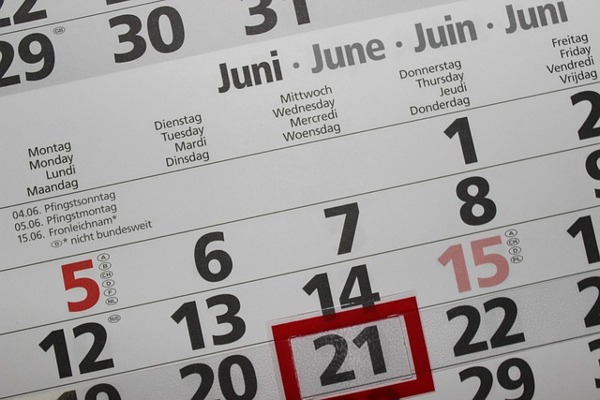
Write a date in your diary about a week before you actually leave. Treat it as your personal deadline for getting everything organised.
- Avoid taking on new projects that can’t reasonably be finished by that date.
- Aim to complete training a colleague to cover your work before then.
- Cut back on unnecessary social commitments in the final week.
- Pack most of your suitcase by your pretend departure date, leaving just a few essentials to add later.
From that date onwards, treat the week as a pre-holiday wind-down.
- Get to bed at a sensible time.
- Eat regular meals and drink enough water.
- Give yourself permission to do a little less. Perhaps swap an exhausting gym session for a gentle walk, yoga or some stretching.
- If you drink a lot of coffee at work, you might want to consider gradually reducing your intake before your holiday. Some people get caffeine-withdrawal headaches and fatigue and don’t realise it is because they are drinking less coffee when not at work.
You might not be able to eliminate all the stress, but arriving at the airport feeling rested is a much nicer way to start a trip.
Avoiding infections while travelling
Since the pandemic, most of us have become more aware of how infections spread. Respiratory viruses can travel through the air, particularly in crowded indoor spaces, while some stomach bugs spread through contaminated hands, food and surfaces.
You don’t need to spend your entire journey disinfecting everything you touch. A few sensible precautions are enough for most travellers.
- Clean your hands regularly. Soap and water are especially useful before eating and after using the toilet. Alcohol-based hand sanitiser is a handy alternative when you can’t wash your hands, although it doesn’t work equally well against every type of germ.
- Carry some sanitising wipes. You can use suitable wipes on frequently touched surfaces around your plane seat. Tests show the surfaces with the most germs are the tray table, followed by the air vent control and then the seat belt buckle.
- Be sensible about shared surfaces. Seatback pockets can be hard to clean, and people often put rubbish in them, so it’s best not to use them for food or personal items. In-flight magazines can harbour germs, and people often lick their fingers before turning the page; fortunately, many airlines are now producing virtual magazines.
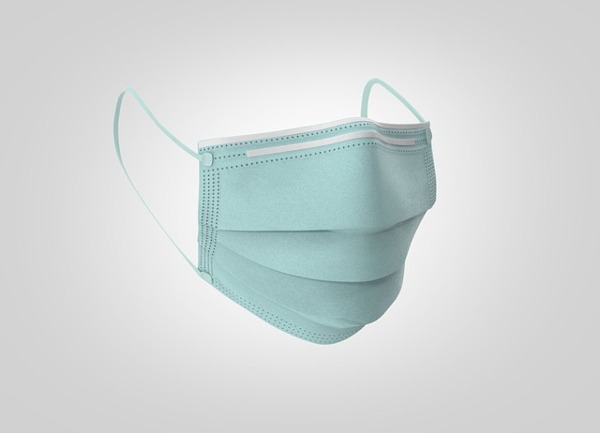
- Consider wearing a mask. A well-fitting mask can help in crowded indoor spaces, especially if respiratory infections are circulating or you’re travelling with someone vulnerable. It also helps me relax when the passenger sitting next to me is coughing continuously.
- Use the air vent if you find it comfortable. Aircraft have ventilation systems designed to circulate and filter cabin air. You may have an individual air vent that you can direct toward yourself.
- Pillows and blankets that aren’t wrapped in a plastic bag have probably been used before, so avoid them if you are worried about possible germs.
- The tops of aisle seats have been shown to have a lot of germs because people touch them as they walk down the plane. I wouldn’t avoid touching them, as they help steady you. But it is a good idea to quickly clean your hands with gel before eating.
- Seats by the window are statisticallyless likely to come in contact with infectious people, but in reality your risk depends on multiple factors, and the chances that an infectious person is sitting next to you is the same as any other seat.
None of the above will stop you from getting an infection, but they might slightly reduce your risk. Good hygiene is probably the best answer.
Deep vein thrombosis (DVT)
Long journeys can increase your risk of deep vein thrombosis (DVT). This happens when a blood clot forms in a deep vein, usually in the leg. In some cases, part of the clot can travel to the lungs and become life-threatening.
The risk is generally greater on longer journeys, particularly if you have other risk factors.
People who have previously had a blood clot, have recently had surgery, are pregnant or recently gave birth, have certain medical conditions, or use oestrogen-containing medicines may need to take extra precautions. Being overweight and having some types of cancer can also increase the risk.
For long flights:
- Move your feet and ankles regularly while seated.
- Get up and walk around when it’s safe to do so.
- Avoid sitting still for the entire journey.
Compression stockings aren’t necessary for everyone, and some travellers may need personalised advice about preventing blood clots.
If you develop pain or swelling in your legs after travelling, seek urgent medical advice. Sudden breathlessness, chest pain or coughing up blood can indicate a pulmonary embolism and require emergency medical attention.
Ear pressure problems
Changes in air pressure during take-off and landing can cause ear pressure discomfort. It’s usually temporary, but it can sometimes be surprisingly painful.
I discovered this the hard way on one trip. After a flight, I developed ear pain while riding a cable car. I didn’t realise I had an ear infection, and the air pressure during the flight made it worse. I eventually had to return to the UK by train and boat from Austria instead of flying home.
To help your ears cope with pressure changes:
- Swallow, yawn or chew gum during take-off and landing.
- Sucking a boiled sweet can also encourage swallowing.
- Try to stay awake during descent so you can respond to changes in pressure.
- If you have a cold, sinus problems or an ear infection, ask a healthcare professional for advice before flying, particularly if you’ve experienced severe ear pain before.
Keep any usual pain relief accessible in your hand luggage.
A bloated tummy on the plane
Have you ever felt uncomfortably bloated during a flight? Changes in cabin pressure can make gas in your digestive system expand, leaving you feeling swollen or uncomfortable.
If you know you have a sensitive tummy, consider avoiding foods that commonly cause gas in the day or two before travelling, especially immediately before your flight.
These can include beans, onions, cabbage, sprouts, peas, some whole grains and fizzy drinks. Everyone is different, so you don’t need to avoid foods you know you tolerate well.
Drink water regularly and move around occasionally when it’s safe. A short walk along the aisle may help you feel more comfortable.
Staying healthy on holiday
Once you’ve arrived, the aim is to relax and enjoy yourself, not spend every minute worrying about germs.
A few sensible precautions can help you avoid some common holiday problems.
Cold sores and the sun
Sunshine can trigger cold sores in some people, so take extra care if you’re prone to them.
Use a lip balm with a high sun protection factor (SPF), ideally SPF 30 or higher, and reapply it as directed. If you regularly get cold sores, you may also want to ask your pharmacist or doctor about other ways to prevent or treat them.
Be careful with food allergies and intolerances
If you have a food allergy or an intolerance, don’t abandon your usual precautions just because you’re on holiday.
Food labelling, ingredients, and restaurant practices vary by country. In some places, staff may be unfamiliar with certain allergies, and language differences can make it hard to explain your needs.
Before you travel, use a reliable translation service to translate the foods you must avoid. Print a card explaining your allergy in the local language and keep it with you.
If eating the wrong food could cause a serious reaction, explain the allergy clearly and, if possible, confirm the ingredients and preparation methods with the cook. A translation card helps, but it cannot guarantee a meal is safe. If staff can’t confidently answer your questions, choose somewhere else.
If you have a severe food allergy, carry your prescribed emergency medication and make sure you and your friends know how to use it.
What should you eat abroad?
You may have heard the advice, “Boil it, cook it, peel it or leave it.”
It’s a useful rule of thumb in destinations where food and water hygiene may be a concern, although the precautions you need depend on where you’re travelling.
Foods that can carry a higher risk when handled or prepared unsafely include:
- Raw vegetables and salads washed in unsafe water.
- Fruit you can’t peel yourself.
- Raw or undercooked meat, fish and shellfish.
- Unpasteurised milk and dairy products.
- Ice made from unsafe water.
- Food that has been left at room temperature for too long.
Travel-related diarrhoea is common, but the risk varies considerably by destination, season and individual circumstances.
I once had a dreadful bout of diarrhoea after eating chicken. Yet, despite everything I’ve just said, I still find it difficult to resist ice cream on a hot day!
The important thing is to judge each situation sensibly.
In places where tap water is safe to drink, salads and fruit washed in that water are generally less concerning. In places where the water supply is unreliable, choose thoroughly cooked, hot food and fruit you can peel yourself.
Street food can be delicious, and you don’t need to avoid every stall. Take a moment to look at how the food is prepared. Is it cooked fresh in front of you? Is it served piping hot? Does the stall look clean? Are the person handling money and the person preparing food taking reasonable hygiene precautions?
Gloves alone don’t guarantee cleanliness; clean hands and safe food-handling practices matter more.
Be particularly careful with buffets. Food that has been sitting out for a long time may not have been kept at a safe temperature. Choose hot food that’s freshly replenished and properly cooked, and avoid dishes that look as though they’ve been sitting around for hours.
Remember that locals may have different levels of exposure to certain infections. A meal that doesn’t upset a local might still make a visitor ill.
Can probiotics prevent holiday tummy?
You may have heard that taking probiotics before or during a trip can help prevent diarrhoea.
Probiotics contain live microorganisms that may benefit health in certain circumstances. However, evidence that they reliably prevent travellers’ diarrhoea is limited, and results can vary by product and condition studied.
I know someone who took probiotics and was the only person in their group who didn’t get ill after a shared meal. They may have helped, but it’s impossible to know for sure. There could have been other explanations.
We sometimes take probiotics ourselves when travelling, but I wouldn’t rely on them to prevent an upset stomach. Careful food and water choices remain important.
Drinking water and avoiding unsafe ice
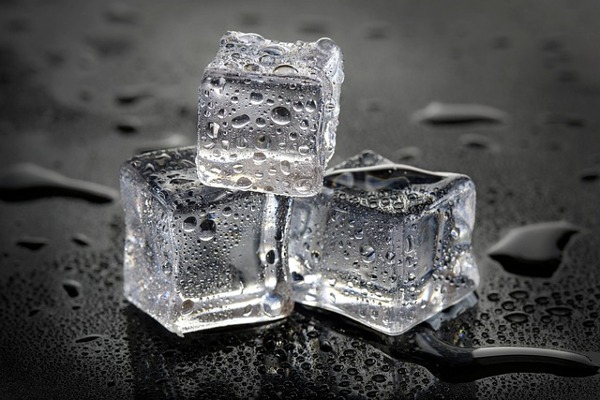
Water safety varies around the world. In some destinations, tap water is treated to a high standard; in others, it may contain microorganisms that cause illness.
Before travelling, check reliable destination-specific advice about drinking water. Don’t assume that water is safe simply because you’re staying in a modern hotel or a popular tourist area.
If tap water isn’t considered safe:
- Use sealed bottled water from a reliable source, checking that the seal is intact.
- Avoid ice unless you’re confident it’s made from safe water.
- Use safe water for brushing your teeth; if you can’t, avoid swallowing water while rinsing.
- Avoid salads and food that might be washed in unsafe water.
Water is especially important in hot weather, when dehydration can set in quickly. Don’t reduce your fluid intake just because you’re unsure about the local water supply; find a safe source instead.
Boiling water can make it safe from many disease-causing organisms when done correctly. Water-treatment tablets and filter water bottles can also help, but their effectiveness varies. Some filters don’t remove viruses, and some treatments don’t work against every parasite.
Protect yourself from the sun
It’s easy to burn when you’re somewhere sunnier than home, especially if you don’t normally spend much time outdoors.
Most of us know we should use sunscreen, but it’s surprisingly easy to miss a patch of skin or forget to reapply it.
I once burnt the soles of my feet while lying on my stomach with my feet pointing directly towards the sun. I never thought to put sunscreen on the underside of my feet!
Learn from my mistake. Pay attention to your ears, your feet and any exposed skin you might normally overlook.
Use broad-spectrum sunscreen with at least SPF 30, apply it generously, and reapply about every two hours, or more often as directed, especially after swimming, sweating, or towelling off.
A phone timer can help you remember.
Sunscreen isn’t the only protection, either. Wear suitable clothing, a hat, and sunglasses; seek shade; and avoid prolonged exposure during the strongest sunshine.
Heat exhaustion and heatstroke
Hot weather can be wonderful, but overheating can become dangerous.
Heat exhaustion can cause heavy sweating, dizziness, headache, nausea, weakness and clammy skin. Heatstroke is more serious and is a medical emergency.
I’ve experienced heat exhaustion myself, and one of the frightening things was how difficult it was to recognise what was happening. I was getting too hot and couldn’t think clearly.
To reduce your risk:
- Drink water regularly.
- Take breaks in the shade or somewhere cool.
- Avoid strenuous activities during the hottest part of the day.
- Wear lightweight clothing and a hat.
- Allow yourself time to adjust when you first arrive somewhere hot.
If you suspect heat exhaustion, move somewhere cool, remove unnecessary clothing, cool your skin and drink cool water if you are fully alert and able to swallow.
If someone becomes confused, collapses, has a seizure or appears seriously unwell from the heat, suspect heatstroke. Call local emergency services immediately and start cooling them while you wait for help. Don’t wait to see whether they improve on their own.
At your accommodation

You can encounter germs in hotels and holiday apartments, but you don’t need to disinfect the entire room before unpacking.
If you’d like to clean a few frequently touched surfaces, use a household wipe on things such as the TV remote, bedside table, light switches and door handles
Keep your toothbrush somewhere clean and dry rather than placing the bristles directly on a shared bathroom surface.
Watch out for bedbugs
Bedbugs can be found in all kinds of accommodation, from budget hostels to luxury hotels. They travel by hitching rides on luggage and belongings.
They usually bite at night, and the bites may leave itchy marks; they generally don’t spread disease.
If you’re concerned, inspect the mattress seams, bed frame and headboard for live insects, shed skins, dark spots or small bloodstains.
Keep your suitcase off the bed while you check the room. A luggage rack or another hard surface away from the bed is useful, or you can use the bath as a temporary place to put your bag while you inspect the sleeping area.
If you find signs of bedbugs, contact reception and request a different room or suitable alternative accommodation. Don’t move potentially infested belongings into another room without taking precautions.
A sleeping-bag liner may make you feel more comfortable, but it isn’t a reliable way to prevent bedbug bites.
Shared facilities
If you’re sharing shower facilities, wearing flip-flops can help reduce direct contact with the floor and may lower your risk of picking up certain fungal infections.
What medicines should you pack?
Take a few medicines with you, as no one can avoid germs completely.
Take painkillers, something for an upset tummy, and rehydration sachets. Take your normal prescription medicine plus a few extra days’ supply.
Check that your medicines are permitted in the country you’re visiting, particularly prescription medicines and some painkillers. Keep essential medication in your hand luggage, in its original packaging where possible, and carry a copy of your prescription if appropriate.
If you develop severe symptoms, signs of dehydration, bloody diarrhoea or a persistent fever, seek medical advice rather than relying on your travel kit. Check your travel insurance arrangements before departure, too.
The bottom line: enjoy your holiday!
Holidays are supposed to be fun, so don’t let the fear of getting sick take over your trip.
Start by giving yourself time to prepare and relax before you leave. Once you’re away, use common sense: pay attention to food and water hygiene, protect yourself from the sun, stay hydrated and take sensible precautions.
You don’t need to avoid every ice cream, refuse every street-food stall or spend your holiday wiping down every surface. The trick is to understand the risks and make informed choices.
I personally try to avoid anything particularly risky the day before travelling, because having a bad stomach on a travel day is miserable.
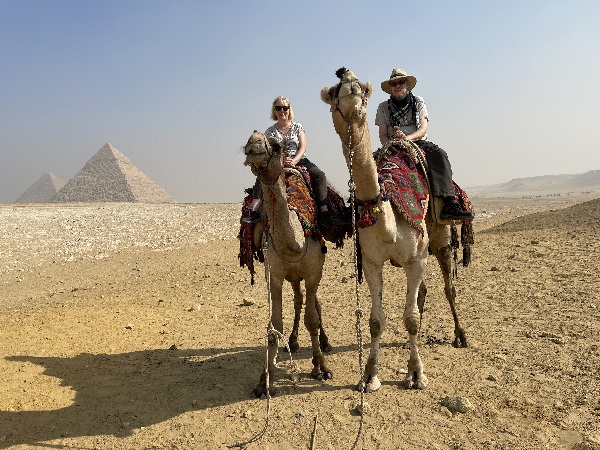
And here’s the thing: even if I’d known in advance I’d get ill on my trip to Egypt, I would still have gone. It was a wonderful experience, and being poorly for part of it didn’t take away the memories.
So pack your sunscreen, a few useful essentials and perhaps a face mask for the journey. Take reasonable care of yourself, then get out there and enjoy exploring.
Have a wonderful time!
Leave a Reply