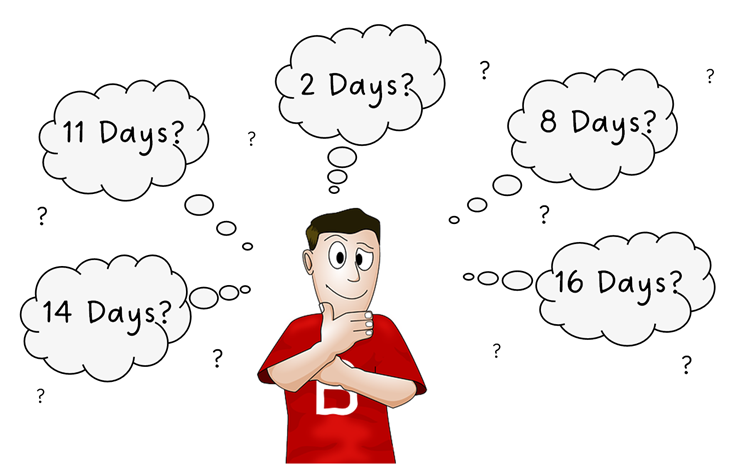
As I plan my holidays for next year, I find myself pondering over the ideal length. My vacations have varied from a mere 2 days to a luxurious 2 months, each offering a unique experience.
Of course, I would love to travel full-time, but unfortunately, that’s not possible.
But is there a perfect holiday length? I might think the longer the holiday, the better, but is that right?
How long is a typical Holiday?
Traditionally, families would go abroad once a year for a two-week holiday. However, nowadays, multiple short weekend breaks spread throughout the year are rising in popularity.
It’s fascinating to note the diversity in holiday lengths across different countries. While a full two weeks is still a popular choice in France, Italians tend to opt for around 11 days. In the USA, most vacations are limited to 4-5 nights, whereas Australians typically enjoy a 14-day trip abroad. However, there are always exceptions, with a few Australians indulging in extended holidays.
In the UK, more than 11 million people choose to take just one week off but have multiple holidays per year, while little less than 4 million take two weeks off.
Peak relaxation day
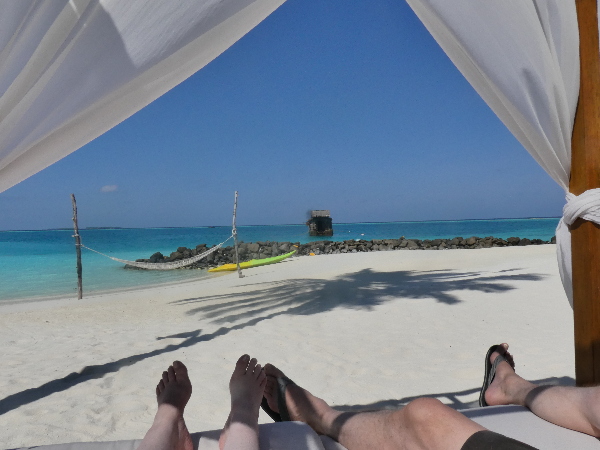
Studies have examined how people act, relax and behave on holiday.
According to the Journal of Happiness Studies, it takes about 5 days for people to fully unwind from their daily stress. By the 8th day of a holiday, most individuals reach the peak of relaxation. Interestingly, the longer the holiday, the more challenging it becomes to readjust to the routine of work life upon return.
They suggest that the ideal holiday should last 8-11 days as the peak of health and well-being is on day 8. So, are all those people taking just a week’s holiday making a mistake?
Dopamine release before your holiday
We can also enjoy the run-up to the holiday. Dopamine, the feel-good hormone, is released before the holiday, but this alters depending on how much you’re looking forward to the trip.
We once went on two weekend breaks only a few days apart. It was at the end of one month and the beginning of the next, and somehow, because they were two different months, we didn’t notice they were only a week apart. The second weekend break wasn’t so exciting. It wasn’t because of the location but because we had just returned from enjoying one place and didn’t have much time to consider the next trip.
When we went to Australia, we saved up for a year, and as the months turned to weeks, the excitement grew. It felt good looking forward to the holiday.
Anticipation and dopamine release ensure a holiday starts on the right footing.
How many days after peak relaxation day should you have?
The research suggests limiting the number of days of peak relaxation because the longer your holiday, the harder it is when you return to work.
People often struggle when returning to work, and it is more than just missing their fabulous holiday. Holidays are flexible. Before a holiday, waking up at 6:30 can be routine; the body is used to it, but after the holiday, getting out of bed might be hard, and you are no longer used to the constant demands of your time. There is also a mental shift away from sunny beaches to work problems. If you have been struggling with work before, have had too much work, or have experienced a toxic atmosphere, returning to the situation can be an abrupt shock.
Limiting the days of your holiday should make the adjustment back to work less difficult. The Journal of Happiness Studies suggested up to 11 days of holiday, and a UK survey of travellers suggested 10 to 14 days. So, the research shows you should only have a few days after the peak relaxation day. Maybe up to 6 days.
Relaxed after your holiday
Research has also shown that the relaxed state lasts longer if you take a day off work after the holiday before returning to work.
I prefer to return to work rather than waste one of my precious annual leave days unpacking the bags and washing the clothes. However, I can see how having a day at home before you face work can prolong the feel-good factor. It gives you a chance to easy back to work and mentally prepare.
Post-holiday blues can set in quickly after a holiday. Years ago, you would send postcards to friends and relatives, and on your return, you would tell everyone about your holiday. Reliving your holiday prolongs the feel-good factor.
Nowadays, photos are sent back instantly via social media, and any interesting or exciting events are reported immediately, so you lose that time recounting and reliving your holiday. The best solution is to book another holiday.
Mini breaks
An Australian Study found that short breaks of 3 to 4 days could be as restorative as longer holidays. This is a reassuring finding for those who may not have the luxury of longer vacations. A Chinese study also showed that the optimal holiday length for restoration was 4 days.
The Chinese population isn’t entitled to much holiday time. Usually, it is only 5 days if you have been working for the company for less than 10 years, which increases to 10 days for 10 to 20 years of work and 15 days for over 20 years. This might mean the results of any Chinese study don’t relate to the rest of the world, who are entitled and used to longer holidays.
However, I find short holidays or long weekend breaks very beneficial.
As soon as we land, we hit the tourist circuit and pack as much as we can into a few days. When I come back, I feel rejuvenated. These short breaks, while not relaxing in the traditional sense, are invigorating and exciting, especially for city break enthusiasts.
Long Holidays
Long holidays last two weeks or more. During extended holidays, people usually travel further, so jag lag often occurs at the end of the holiday.
Returning to work after a long holiday is undeniably challenging. However, when you are on holiday, you get more days of relaxation, and your stress levels decrease. You then have time to realize what pressure you are under at work. This understanding can help in managing the post-holiday transition.
The bad news is that the benefits of holidays don’t last long. Typically, after a week back at work, the good feelings of a holiday have disappeared, no matter how long the holiday is. If you had a holiday of more than a month, it can be especially hard to adjust and not get post-holiday blues.
While you are on an extended holiday, things can change at work. After a six-week holiday, my husband found that his role had changed at work without his input because he was away. These types of changes can increase the difficulties of adjusting back to work.
Although it can be hard to adjust to work, productivity can increase on return. Employees can come back with fresh ideas and tackle their work with new enthusiasm. This productivity can last up to a month. It all depends on the person and their relationship to their job. Having a holiday can help a person get out of a rut.
Multiple holidays per year
Multiple holidays each year might be the best way to reduce stress. The feeling good before a holiday would then happen numerous times. It has been shown that people don’t get so stressed at work when they have a holiday coming soon. These holidays should then be spread out throughout the year.
The holidays don’t need to be abroad to have the feel-good factor. Many people find packing for overseas holidays and getting through an airport very stressful, which will offset any feel-good factors. A holiday locally trying a new activity could be something to look forward to.
Is the holiday length important?
I believe the perfect length of holiday isn’t a set number; it’s whatever suits you, your budget, and your needs. If you want a lovely, relaxing holiday, it might be best to take an 8-day or more holiday. Alternatively, if you want a top-up holiday, just a few days in a sunny climate during your winter at home will help your health by increasing your vitamin D and making you feel better.
If you are interested in sightseeing, then how long it takes to see the local sights is more critical than staying for the necessary number of days to reach your “peak relaxation.”
Summary
The perfect holiday length is personal; it depends on your needs, budget and the type of holiday you want.
If you have a stressful job and are going away to relax, then 8-11 days would probably be ideal.
If you are going away just for a change of environment and mental detachment, a few days can do the trick, especially if you have an activity holiday or a holiday that absorbs your mind.
I quite like taking a few holidays each year of different lengths. Short weekend breaks keep me going until I have my longer holidays. That way, I never go too long without a holiday to look forward to.
I wouldn’t want to spend 11 days sightseeing in a city or just 3 days exploring the South of France. Different types of holidays require different time lengths.
Enjoy yourself, whether learning a new skill or relaxing on the beach, no matter how long you go away, sit, rest, or explore; enjoy yourself and forget what the experts say. Have a lovely holiday, no matter how long it is.
Leave a Reply