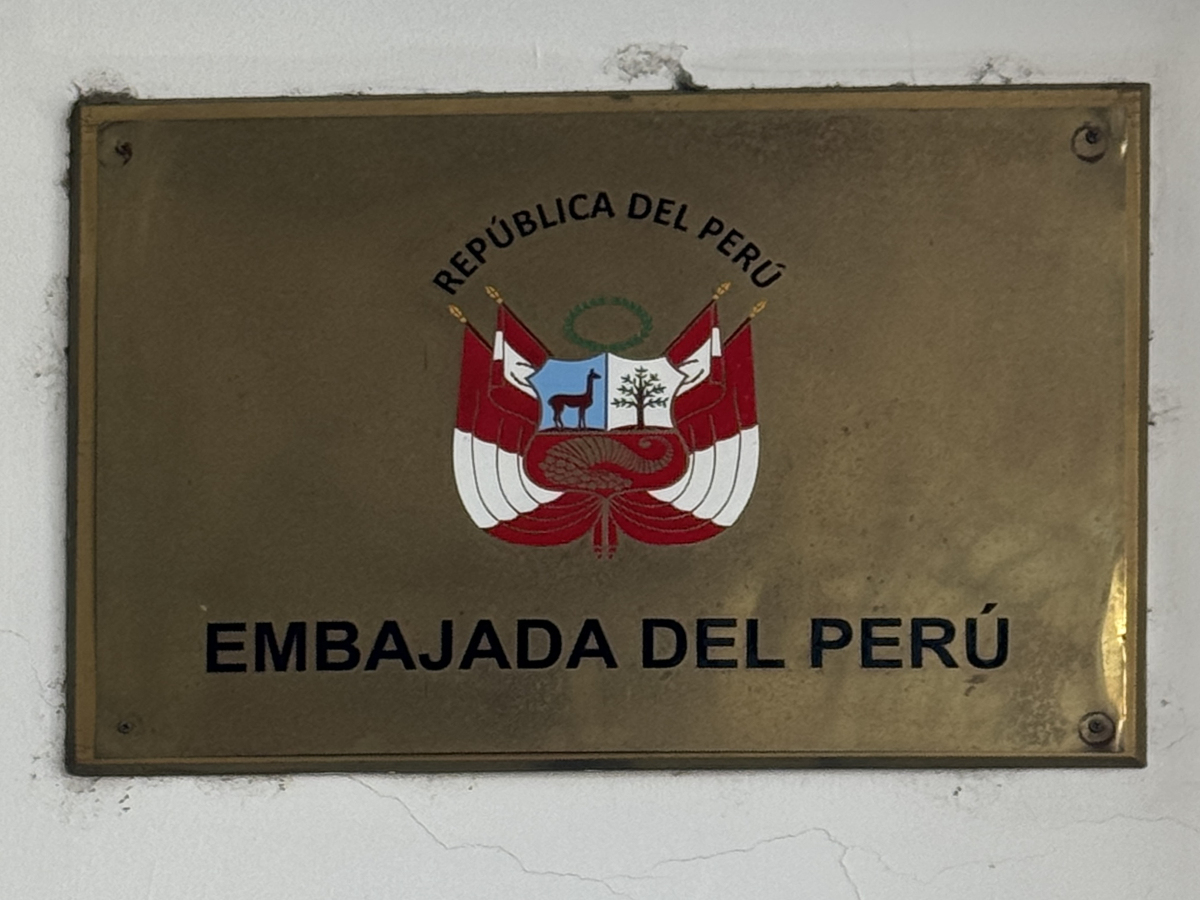
Do you know when the Embassy can assist you? Can they help you if you get locked up after having too much to drink, or your partner has a serious car accident and ends up in a hospital?
Most people know there is an embassy that can help them if they have problems abroad, but they have no idea what assistance they can expect. Some people expect the Embassy to sort out whatever mess they have got themselves into, but it is more like an advice bureau, providing guidance to help you resolve your own problems. However, there are some steps the Embassy can take to help you. This article is written for the UK audience, but other embassies are pretty similar.
British Embassy, Consulate or High Commission
If you are from the UK, you should know that the British Embassy, Consulate, or High Commission is the same for a tourist. They are found in most countries worldwide.
An embassy is based in the capital and handles relations between the UK and the host country. High Commissions are what they call Embassies in Commonwealth countries, and Consulates are found in areas with lots of tourists, but do not have the same range of services as an Embassy. If you have problems, you can contact the nearest Embassy, Consulate, or High Commission. So how can they help you?
Passport stolen, lost or damaged
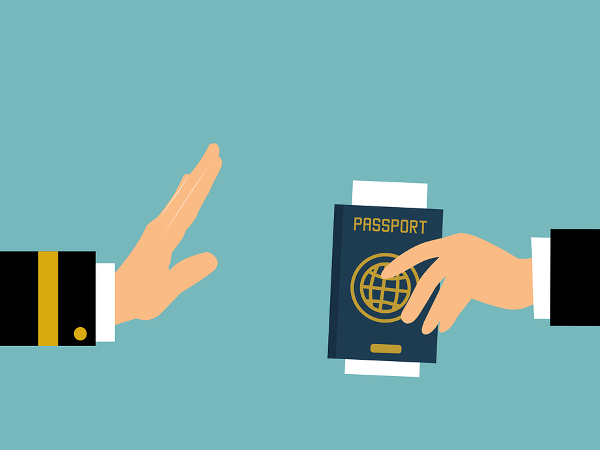
There are almost 40,000 UK passports stolen or lost each year, and if this happens while on holiday, it becomes a problem.
Even if your passport isn’t lost or stolen, you might need to replace it because it is damaged. Passport controls are strict due to the prevalence of counterfeit passports; a slightly damaged passport could conceal an error in a counterfeit. If your passport got soaked in the rain or you used it as a coffee cup coaster, there is a good chance you will need to replace it.
If your passport has very minor damage, you may be allowed to use it, but it is at passport control’s discretion, and they are within their rights to refuse entry.
If you need a new passport, contact the Embassy, which can issue a temporary document. The emergency travel document costs £125 and allows you to travel to up to 5 specified countries. You need to adhere to the dates listed on your emergency travel document.
You may need to visit the Embassy for an interview; otherwise, you can complete the process online. Having a copy of your old passport will make it less likely that you will need an interview, or at least much easier to sort out. Usually, it takes about two days.
Run out of money
If you run out of money or have it stolen when you are at home, you wouldn’t run to your local MP and ask him for money; instead, you would ask friends and relatives if they could lend you money until you get your next paycheque. The Embassy takes the same approach and expects you to contact your family and friends to ask them to lend you the money, or to ask your employer to pay your wages earlier.
The Embassy will advise you on arranging a money transfer from the UK.
Only after you have exhausted all other resources will they loan you money. It is a loan, so you are expected to repay it within 6 months.
Getting a loan from the Embassy is not easy. In the past, you needed to provide evidence that you had exhausted all other resources, including, sometimes, a fundraising page. However, now the Embassy says its process has been simplified.
If you have to go to a hospital
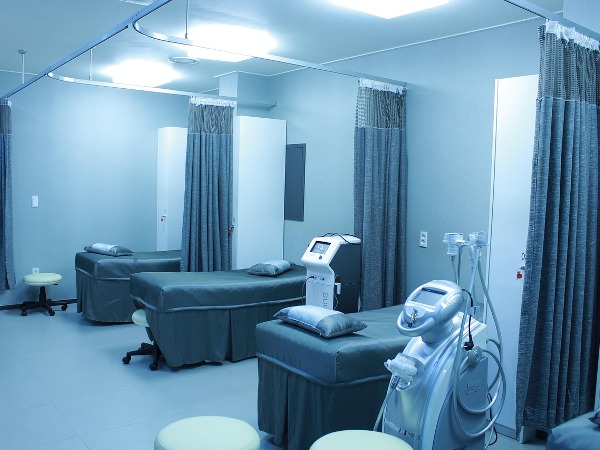
If you are in hospital, contact your insurance company for guidance and to authorise treatment. Without their consent, you might not get refunded any fees. However, the Embassy is there to help you, especially if you plan to stay for an extended period. They can advise your family on what happened, how to arrange an interpreter, and the details of air ambulance companies.
If your visa is about to run out, the Embassy can issue an official letter confirming your medical situation and guide you through the emergency visa extensions or exit permit process. If you are too unwell to handle paperwork yourself, they can notify the host country’s immigration of your situation.
Helping you when one of your party members dies
If you are unfortunate enough to lose a party member while on holiday, the Embassy can provide advice on what to do and point you to people who can help. They will know how to register the death and can provide details of a funeral director. If necessary, they can also provide details of translators. If the death was suspicious, then the Embassy can liaise with the authorities.
However, insurance companies are the ones who will pay any bills (if you have cover), so you should talk to them and don’t do anything until they have agreed.
If you are arrested or put in prison

If you are arrested or imprisoned, you should contact the Embassy immediately so they can monitor your situation. They can provide details on interpreters, the legal system, and a lawyer. They can advise your family on what has happened and arrange for funds to be transferred to you from them, which in some countries is necessary to purchase goods or secure better conditions. They can check if you are eligible for legal aid.
The Embassy will try to ensure you are being treated fairly and are not in danger or being discriminated against. They can also arrange medical assistance if necessary. They cannot get you better conditions than the local prisoners have, even if the conditions are grim, but the Embassy will keep an eye on you and make sure your fundamental human rights are being met. They can also put you in contact with Prisoners Abroad or similar charities.
Getting you out of the country in an emergency

In extreme circumstances, I am talking about things such as natural disasters or civil disturbances where you are at risk of being killed or injured, then the Embassy can arrange for you to be transferred out of harm’s way. This will not necessarily be back home; it could be in a safer nearby country.
If commercial flights are operating, it is best to make your own way out of the country as soon as you can. In circumstances such as COVID, where you are not at immediate risk but flights have stopped, it is best to contact the Embassy for advice; however, don’t expect them to arrange any flights. They can advise you on alternative destinations you can fly to and then return home from, or point you to sources of flight information. The Embassy may be able to connect you with people who are pooling funds to charter their own flight. During COVID, the government did send out some rescue planes, but you still had to pay.
If you are a victim of a serious crime
If you are a victim of a serious crime, the Embassy can provide information on a local doctor, if needed, and details on lawyers and interpreters. It can liaise with the local police authority on your behalf and can inform your relatives and friends.
What they can’t do
There are many things that those on holiday would like the Embassy to do, but it can’t do them for legal, practical, financial, or political reasons.
They can’t, for example, advise you which medical option to take, give you a new passport (only an emergency passport), or provide you with legal advice, investigate crimes or act as an interpreter.
It is there to support you and provide advice, not to solve all your problems. They have no authority to get you out of prison or allow you into the country. They are guests in a foreign country and have to act accordingly, but they can speak out on your behalf if you have not had a fair trial or were denied medical treatment in prison.
However, they are a helpful resource. They can provide you with information and have up-to-date knowledge of local situations. If there is civil unrest in the country, the Embassy can advise you on the safest route out of the country or whether it is safer to stay in your hotel for a while. Or if you need to find more affordable accommodation because a family member is in hospital for an extended period, the Embassy may have information on accommodation and charities that could help.
How to contact the Embassy, Consulate, or High Commission

To find your nearest UK embassy, visit https://www.gov.uk/world/embassies, which lists all countries and the UK Embassy, Consulate, or High Commission.
Smaller countries don’t have embassies from every country. In countries without a UK embassy, such as Andorra or Liechtenstein, you should contact the embassy in the neighbouring country.
It is best to phone the Embassy first, as you usually need to make an appointment to visit.
However, the easiest way to find the necessary information or report a missing passport is to visit the UK Embassy’s website for the relevant country. Most embassies maintain comprehensive websites with links and guidance, so if someone dies, they can find out what to do. If you need more support, you can still contact the Embassy.
Summary
Earlier, I asked whether the Embassy could help if you are detained for drinking too much. You probably now realise the Embassy does not have a get-out-of-jail-free card, but they can provide advice. The person whose partner had a car accident will get support and guidance as well.
Hopefully, you will never need the Embassy, but if you do, you know you are not alone. It is there to provide advice and support when you have problems. Fingers crossed that you never need them.
Leave a Reply