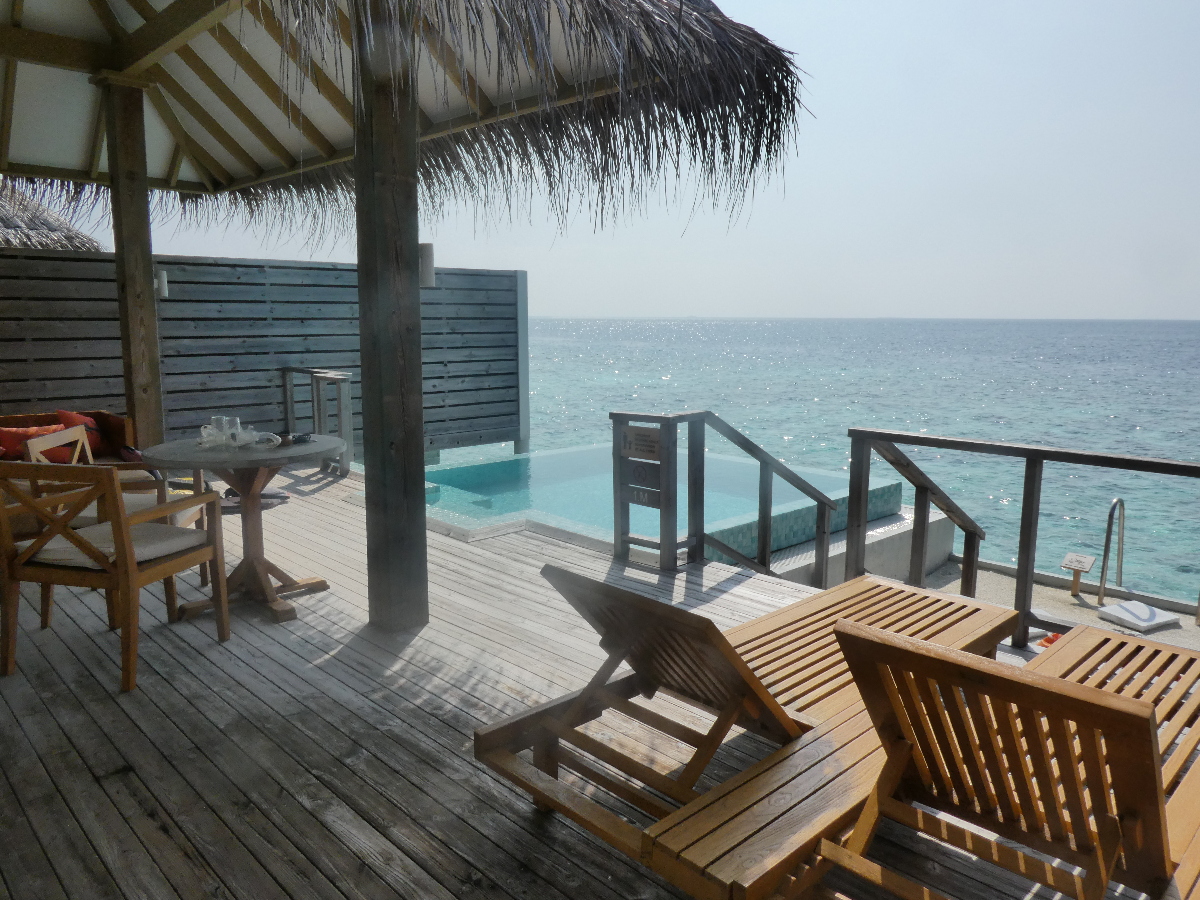
For someone with social anxiety, the idea of airport queues, crowded planes, or even checking into a hotel can feel overwhelming.
Social anxiety is increasingly common, particularly among younger people. Whether you’re planning a family trip with someone who struggles or you’re navigating it yourself, a holiday might feel out of reach when simply being around people is exhausting.
When daily life already involves avoiding social situations, travel can seem impossible.
But it isn’t.
With thoughtful planning, realistic expectations, and a few adjustments, a holiday can not only be manageable—it can be genuinely beneficial. We’ve travelled extensively with someone who experienced severe social anxiety, and while it wasn’t always easy, it was achievable.
The Benefits of a Holiday
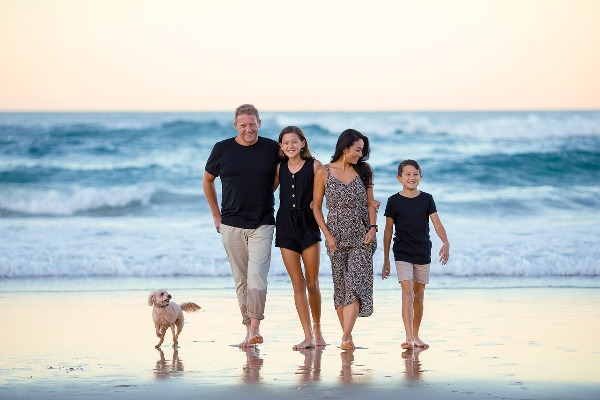
Stepping away from everyday life can have a powerful impact on mental well-being. A change of environment—away from work, school, or even the same four walls—can help reset both mind and body.
A holiday can:
- Improve sleep and reduce stress
- Ease physical tension
- Create space to relax and recharge
- Build confidence through small achievements
Even managing the journey itself can be a confidence boost. What once felt impossible may become manageable.
There are also lasting benefits. Positive memories, a sense of accomplishment, and even a small shift in routine can carry forward into everyday life.
If you live in an area with limited sunlight, travelling to a warmer climate can also be advantageous. Sunlight increases serotonin levels and promotes vitamin D production, both of which are linked to a better mood. People who spend considerable time indoors usually need a vitamin D boost. Even gentle activities—like a relaxing morning walk—can feel more inviting in a new environment.
The Challenges of Social Anxiety While Travelling
Social anxiety can show up in many ways—fear of crowds, difficulty speaking to others, discomfort being observed, or even answering a phone.
Holidays often involve many of these triggers: meeting new people, navigating unfamiliar places, and spending time in busy environments.
But here’s an important point:
You don’t have to push yourself beyond your limits to have a meaningful holiday.
It’s okay to:
- Avoid unnecessary social interaction
- Stay within your comfort zone
- Take breaks and retreat when needed
A holiday is meant to support your wellbeing, not challenge it at every turn.
Getting There: Travel Options
By Ferry
Travelling by ferry can feel less intense than flying. If you’re in a car, you’ll queue in your own space, which can feel more private.
Once onboard, you will have to leave the security of your vehicle, but people tend to settle quickly. You can:
- Find quieter seating areas (often outside)
- Book a cabin for privacy on longer journeys
- Use priority boarding to avoid crowds
Disembarking can feel stressful, but there’s usually no need to hurry; let others rush back and go when the crowd begins to thin out.
By Plane
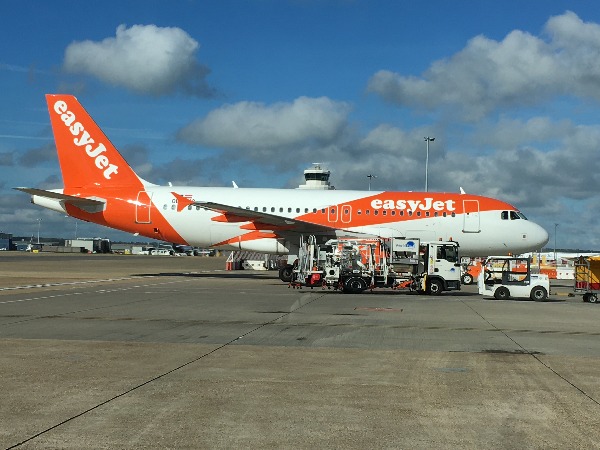
Flying can be one of the most stressful parts of travel, but there are ways to make it easier.
Before you go:
- Check in online and drop your bags off the night before (if available)
- Travel with only hand luggage to skip check-in queues
- Request special assistance if needed (this can provide quieter spaces and support) (How can special assistance help you at the airport)
- Choose your seat carefully—many people prefer a window seat with a familiar person beside them, while others would rather have the aisle for an easy escape
- Avoid seats near toilets if possible, as these areas can become busy
At the airport:
- Consider premium security for shorter queues
- Look for calm areas like chapels or prayer rooms, or maybe some seats in the gate corridor where people are too preoccupied to notice you
Some airports also offer hidden disability support, such as sunflower lanyards, which discreetly signal that you may need extra help, time or understanding.
Waiting for your flight:
- Airport lounges can offer a calmer space—but research first, as some are busy
- Special assistance areas may be quieter depending on the airport. Our local airport has two terminals: one has a waiting room tucked away, and the other is very exposed and public-facing.
Boarding:
- Wait until the queue has mostly cleared
- Or choose priority boarding to get settled early
On the plane:
- Keep yourself occupied with movies or crossword books.
- Wear headphones so others won’t try to have a conversation with you
By Car
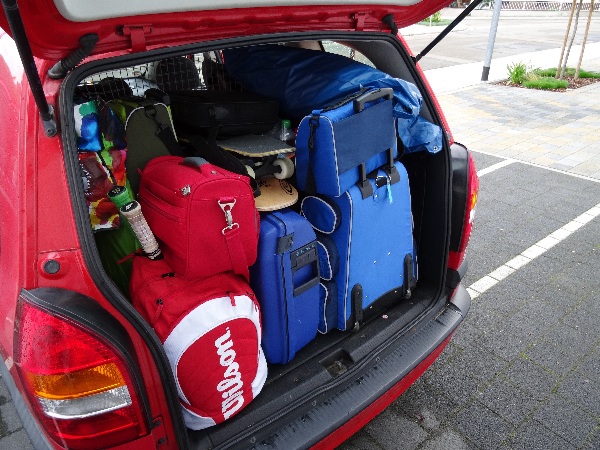
Travelling by car is often the least stressful option as it completely avoids crowds. It can limit your choices of destination, but for some, the reduced anxiety makes it worthwhile. A car also offers a safe space to hide after seeing attractions.
Choosing Where to Stay
Self-Catering Accommodation
A great option for reducing social pressure. You can:
- Cook your own meals
- Avoid busy dining areas
- Create a “home-like” environment
- Choose where and when you eat.
Choosing a more secluded property can also increase comfort and privacy.
Hotels
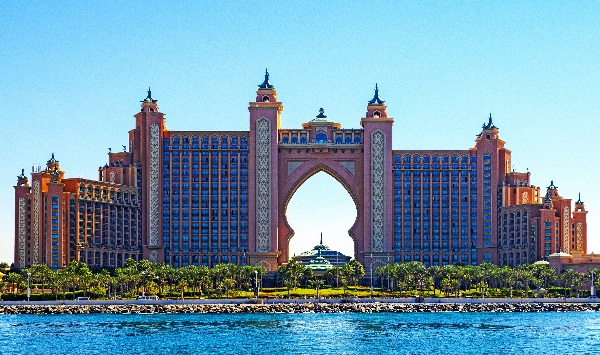
Hotels can work well with the right planning.
Location:
Decide what environment feels safest—quiet and secluded, or busy enough to blend in anonymously.
Food:
Check for:
- Room service
- On-site dining options
- Nearby takeaway availability (if the hotel allows it)
Having flexible food options can make a big difference.
The Room:
You may spend more time here than most travellers, so comfort matters. Consider:
- A balcony for private outdoor use. Check if there is a privacy wall between the balconies.
- Consider paying more for a room which is larger or has a better view.
- Separate rooms if travelling with a child who needs space.
It’s also worth contacting the hotel in advance with any preferences.
Mobile Homes (RVs)
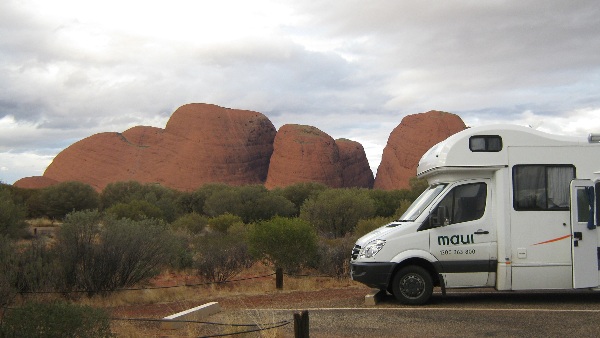
A mobile home offers flexibility and control. You can explore new places while maintaining a private space to retreat to. We managed to travel across the USA with a person with social anxiety, and they didn’t miss anything. They helped with the driving and managed to cope with popping outside the vehicle, provided it wasn’t for long.
The trade-off is limited personal space when travelling with others.
What to Pack
A few thoughtful items can make a big difference:
- Headphones with music or audiobooks (they also signal you don’t want to be disturbed)
- A lightweight blanket for comfort and a sense of security
- Sunglasses or a hat to create a subtle barrier
- Mindfulness apps like Calm or Headspace
- Books, colouring materials, or fidget toys
- A comfort item from home (clothing, soft toy, etc.)
And most importantly—someone you trust. A supportive companion can help navigate situations and reduce pressure.
Our Experience
A few years ago, our daughter experienced severe social anxiety and depression. For a long time, she only left the house for medical appointments.
We still wanted—and needed—to travel, so we adapted.
We arranged:
- A lift with a friend to the airport to avoid public transport
- Special assistance, including a wheelchair
- Early boarding so she could settle quickly
At the destination, assistance helped her move through the airport with minimal stress.
Here’s how she described the experience:
“The holiday was a pleasant break from hiding in my room, but also quite frightening. It felt easier being somewhere new because I didn’t know anyone. I could be nervous without worrying about running into people I knew.”
After returning home, something shifted.
She found herself wanting to go outside more. The experience hadn’t “fixed” everything—but it had gently expanded her world.
Summary
Travelling with social anxiety isn’t simple—but it is possible.
The key is not to force a “perfect” holiday, but to create one that works for you:
- Start small
- Choose environments that feel safe
- Build in time to rest and retreat
A holiday doesn’t have to be far or long to be meaningful.
If someone who once couldn’t leave the house can travel across the world, then perhaps a first step—a short trip, a quiet place—is within reach.
And that first step can matter more than you think.
Leave a Reply