It’s easy to feel like you’ve found a bargain holiday—until you arrive and the spending really begins.
When people talk about saving money on holiday, they usually focus on flights, hotels, and booking at the right time. But once you’re actually on holiday, it’s the day-to-day spending that quickly adds up—and often goes unnoticed.
Like many travellers, I tend to relax my purse strings while I’m away. Holidays are meant to be enjoyed. However, I’ve started to look more carefully at where my money goes—and I’ve realised that a few small changes can make a big difference, without taking away from the experience.
1.Stop Overspending on Attractions when Travelling
It’s surprisingly easy to spend a lot on attractions. After a museum, a cathedral, and a city tour, you might find you’ve spent as much in a day as you did on your budget flight.
A few years ago, in Istanbul, I considered visiting Topkapi Palace. At £39 per person, it would have cost £117 for the three of us. Although it’s a major attraction, nothing about it particularly excited me. Instead, we visited the Basilica Cistern—cheaper, less crowded at the time, and absolutely fascinating.
I expected to regret skipping such a famous site, but I didn’t. I was far happier spending money on something I genuinely enjoyed.
Before visiting any attraction, it helps to ask:
- How much does it cost?
- Is it something unique?
- Is it something I usually enjoy?
- Have I already seen similar things before?
- Am I going because I want to—or because I feel I should?
Sometimes, a picnic in a park can be just as enjoyable as a busy attraction. You don’t need to see everything to have a great trip.
2.You Don’t Always Need a Tour Guide
On a recent trip to Tobago, we looked into hiring a tour guide to explore the island. We were quoted £300 for a full-day tour, even though we only wanted half a day.
Instead, we hired a taxi for £25. The driver was friendly, knowledgeable, and even took us on a scenic route back to our hotel at no extra cost. It turned out to be a far more personal—and far more affordable—experience.
Tours can be convenient, but they’re not always the best value. It’s worth exploring alternatives. You might save a significant amount while enjoying more flexibility.
3.Rethink City Bus Tours
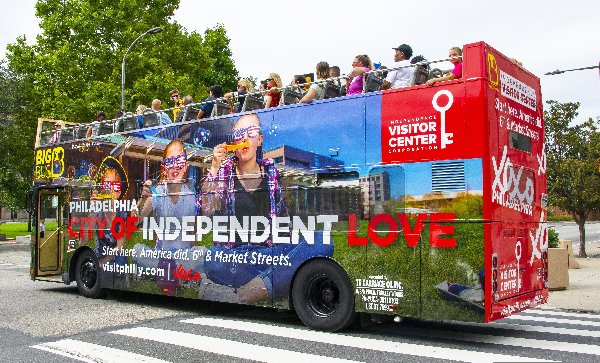
Hop-on, hop-off bus tours can seem like an easy way to explore a new city. They’re especially popular with families or first-time visitors.
However, in my experience, they don’t always offer great value. Long waits, crowded buses, unclear stops, and rushed or poorly timed commentary can make the experience frustrating.
Instead, consider:
- Free walking tours (usually tip-based and often excellent)
- Self-guided walking routes via apps or guidebooks
- Local buses or trams combined with a bit of research
These options are often cheaper, more flexible, and more engaging.
4.How to Save Money on Car Hire When Travelling
Many people automatically hire a car for their entire holiday, even if they only need it for a day or two.
If possible, consider booking a car only for the days you actually need it. This can:
- Reduce rental costs
- Avoid driving when you’re tired after a flight
- Allow you to pick up the car away from the airport (often cheaper)
- Make drop-off less stressful before departure
Also, don’t forget to factor in parking—some hotels charge surprisingly high daily rates.
5.Travel Lighter and Save on Luggage
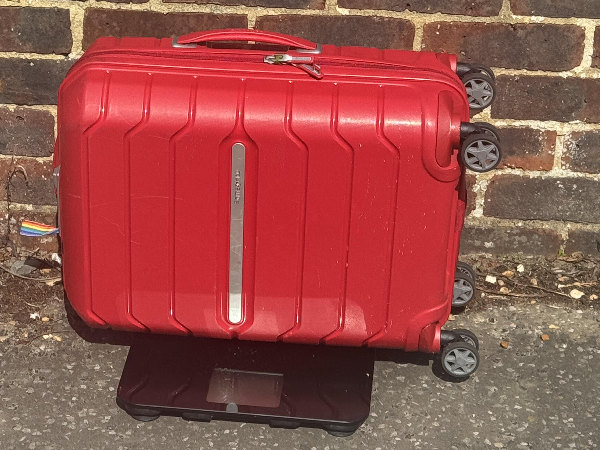
Luggage fees can quickly add up—especially when flying with budget airlines. While travelling with hand luggage only is cheaper, it isn’t always practical. There are smart ways to cut costs if you’re travelling as a group.
One simple strategy is to share luggage. For example, one person in your group can check in a large suitcase, while the others travel with only cabin bags. This approach can lead to noticeable savings without sacrificing too much convenience.
There is a small catch, though. Most airlines won’t allow just one person in a group booking to book a checked bag, so you may need to make separate reservations. This can mean you won’t automatically be seated together. If sitting together is important to you, it’s worth comparing the cost of reserving seats against the price of adding extra luggage—you might still come out ahead.
When we travelled with our four children, we successfully packed everything into one large suitcase and a few small cabin bags. David booked the suitcase separately, and we checked in as early as possible to improve our chances of sitting together, which worked out perfectly. In the end, we avoided paying for five checked bags and saved a significant amount.
With a bit of planning and flexibility, travelling lighter as a group can make a real difference to your overall travel budget.
6.How to Save Money on Food While Travelling

Food is one of the biggest—and most underestimated—travel expenses. Because it’s paid in small amounts, it’s easy to lose track of how much you’re spending.
A few small changes can make a big difference:
Breakfast
Hotel breakfasts can cost £15–£25 per person. If you don’t eat much in the morning, that’s a lot to spend. A nearby café or a simple option from a shop can often cost much less.
Lunch
Not every lunch needs to be a sit-down meal. Picnics using local ingredients—fresh bread, cheese, fruit, and snacks—can be both enjoyable and affordable.
On one trip, after a disappointing hotel meal, I bought basic ingredients and made simple lunches instead. It wasn’t fancy, but it worked well—and saved both time and money.
Dinner
Mixing in takeaway meals can reduce costs and offer a more relaxed evening. After a busy day, it’s often nice to eat on a balcony or in your room rather than going out again.
Drinks are another hidden expense. Buying them from a shop instead of a restaurant can significantly lower your daily spend.
Of course, if dining out is a big part of your holiday, it’s worth it. But even cutting back slightly can make a noticeable difference.
7.Skip Paid Early Check-In and Late Check-Out (If You Can)
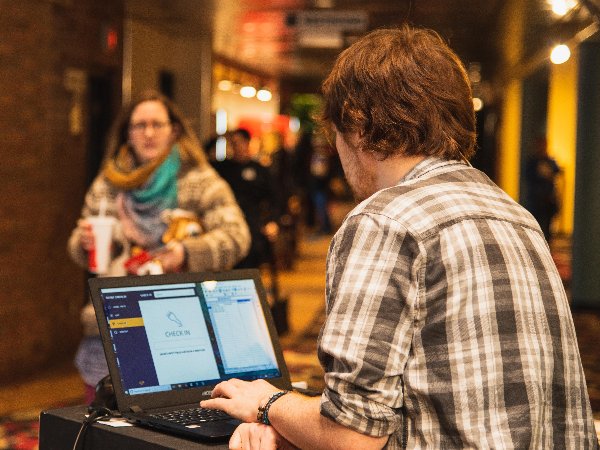
Many hotels now charge extra for early check-in or late check-out—sometimes at surprisingly high rates.
Before paying, consider alternatives:
- Store your luggage and explore the area
- Spend time by the pool if facilities are available
- Plan a short activity before heading to the airport
If you do want early access to your room, it’s often worth asking when you arrive. If availability allows, you may get it for free.
Check hotels’ check-in and check-out times before you book. They are often similar, but I once found a hotel in Sweden that allowed guests to check out for free at 4 pm on Sundays, which was perfect for our flight home. In some countries, they even have 24-hour hotels that let you check out 24 hours after you arrive.
What I’ve Learned
Holidays are a time to relax and enjoy yourself—and spending money is part of that. But being more mindful about where your money goes doesn’t mean missing out. It simply means choosing what matters most to you.
For some, that might be great food every night. For others, it might be unique experiences or simply having more trips throughout the year.
With a few small changes, you may find you can save enough not just during your trip but also towards your next one.
For me, the best holidays aren’t the ones where I spend the most—but the ones where I spend wisely and enjoy every moment. Saving money on your holiday isn’t about being a scrooge and being very stingy with money; it is about being mindful when you spend your hard-earned cash and spotting opportunities when you can reduce the cost without too many sacrifices.
However you choose to travel, make sure you enjoy it.
Leave a Reply