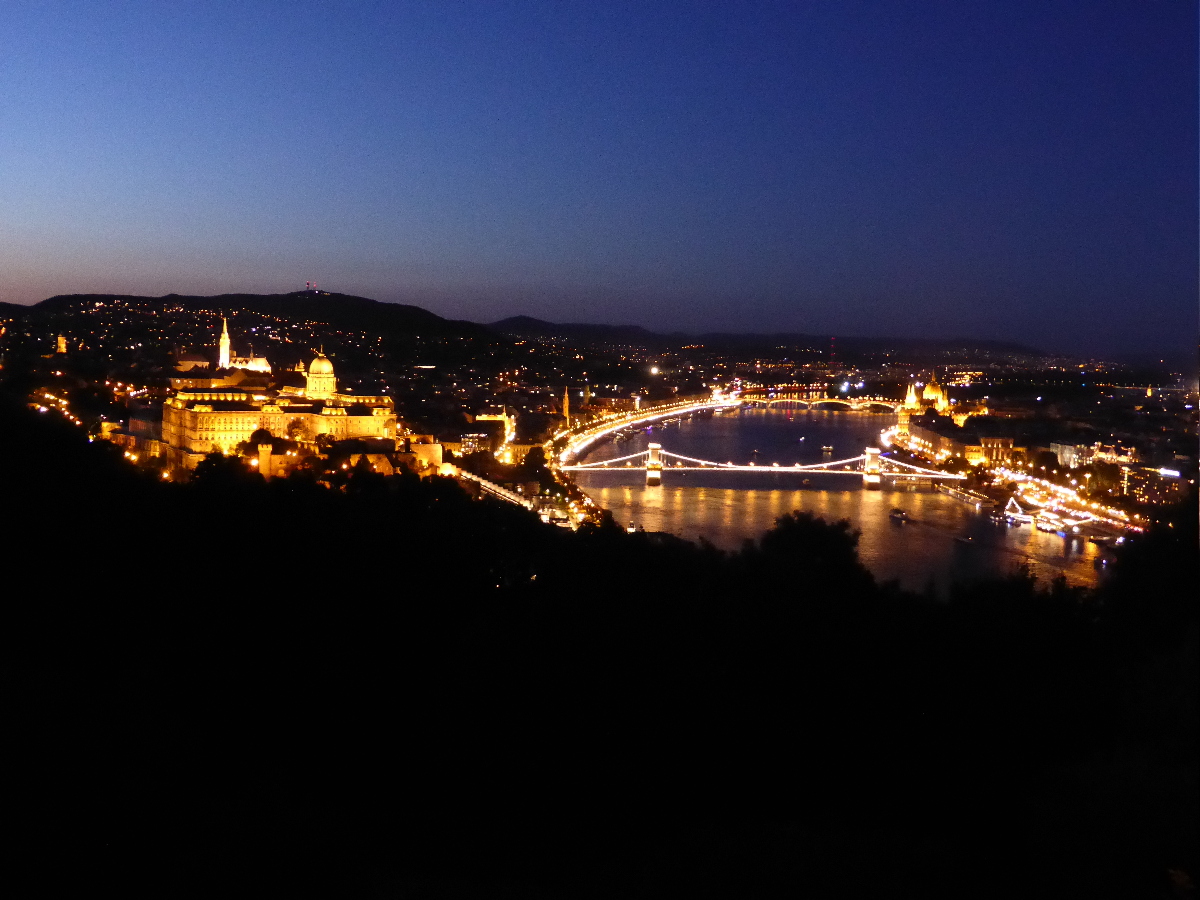
Whenever I suggested a trip to Hungary, my husband was less than enthusiastic. This always puzzled me, especially as he has Hungarian ancestry. His reluctance may have come from family stories—relatives still living in small, overcrowded flats, and an aunt who once visited us and was delighted by something as simple as ice cream, having never tried it before.
Our image of Hungary was shaped by those stories: cold, grey, and worn down, much like other former communist countries we had visited. As it turned out, we couldn’t have been more wrong.
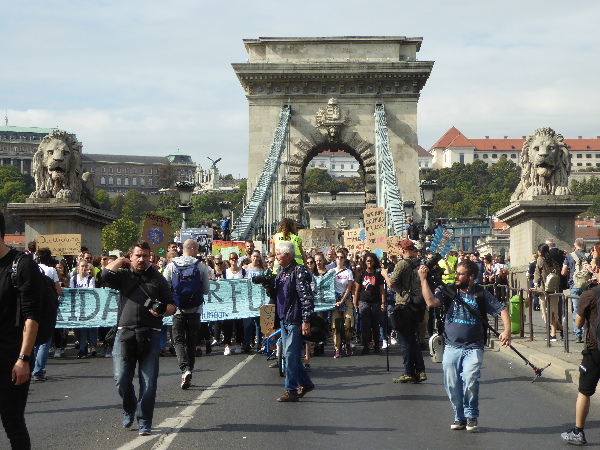
After the end of Soviet influence in the late 1980s and early 1990s, Budapest has transformed into a vibrant, energetic city. When we arrived, we found a place full of life, colour, and character. We even stumbled across an environmental protest and were struck by the passion and energy of the people involved. The locals we met were warm, friendly, and quick to smile.
Budapest was nothing like we had expected—it was lively, beautiful, and full of surprises.
Best Things to Do in Budapest (Top Attractions)
Fisherman’s Bastion
This fairytale-style terrace, with its seven towers, feels like something out of a storybook. Built in the late 19th century, it offers some of the best panoramic views over the Danube and across the city.
It’s an incredibly popular photo spot, so expect crowds—especially during peak hours. There is a small fee to access the upper terraces, but the view from the lower level is still impressive.
I was surprised by how expensive the public toilets were here, and I have never been given a receipt for a toilet visit before!
Matthias Church
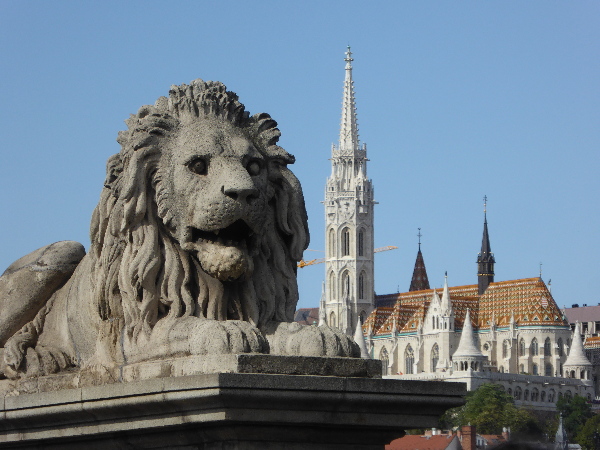
Right next to Fisherman’s Bastion, Matthias Church is known for its striking Gothic architecture and colourful tiled roof. Inside, it’s just as impressive.
You can also climb the bell tower for a small fee. It’s a long climb, but the panoramic views from the top are absolutely worth it.
Buda Castle
Buda Castle offers beautiful views over the city, peaceful gardens, and plenty of places to sit and take in the scenery with a coffee or ice cream.
You can walk up the hill or take the historic funicular railway. The funicular is quite expensive for a very short ride, so we only used it on the way up and walked down.
You can also see the changing of the guard on the hour.
Hungarian Parliament Building
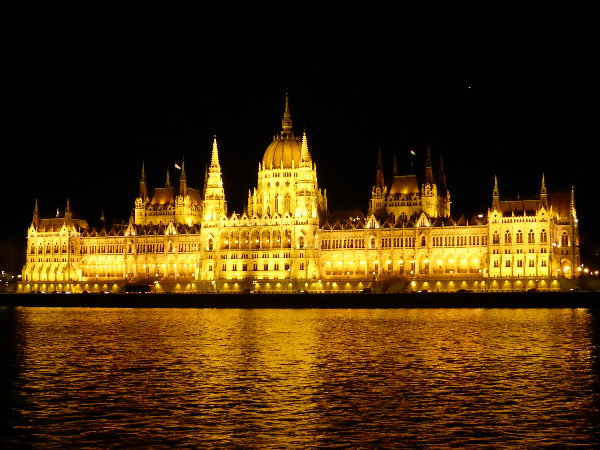
This is one of Budapest’s most iconic landmarks. It’s stunning from the outside, especially when illuminated at night along the Danube.
Tours are available inside, but we found the experience a little underwhelming. Tickets must be booked in advance, the tour is relatively short, and photography is restricted in several areas. While it’s impressive, it didn’t feel like the best value.
Széchenyi Chain Bridge
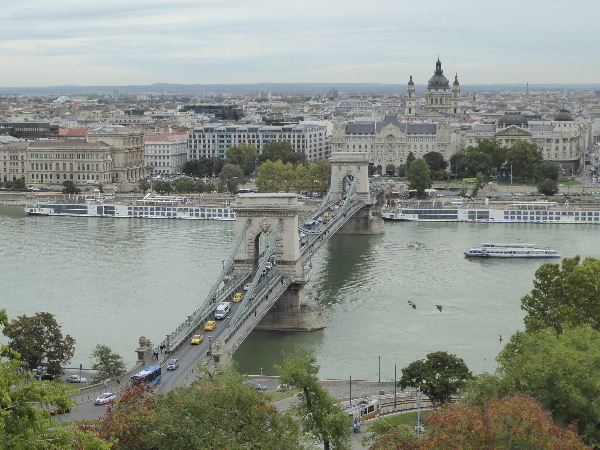
The Chain Bridge connects Buda and Pest and is one of the city’s most photographed spots.
At either end are two lion statues, which are a popular photo feature. A great photo opportunity is from the roundabout on the Pest side at night, capturing the illuminated bridge and lions together.
St. Stephen’s Basilica
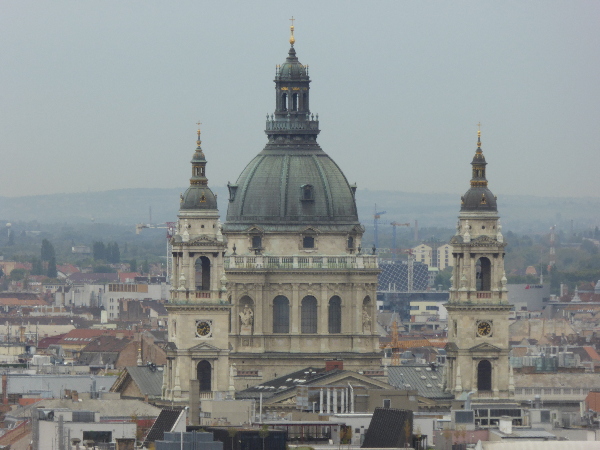
A beautiful and impressive church in the heart of Pest. You can also access the dome for panoramic views over the city.
It does get busy, but we visited later in the day, which made for a more relaxed experience.
Danube River Cruise
A river cruise is one of the most relaxing ways to see Budapest’s landmarks from the water.
Evening cruises are especially popular, with the city beautifully lit up at night. However, the river can be busy, and there was previously a serious accident at night, so we chose a daytime cruise instead, which we really enjoyed.
Shoes on the Danube Bank
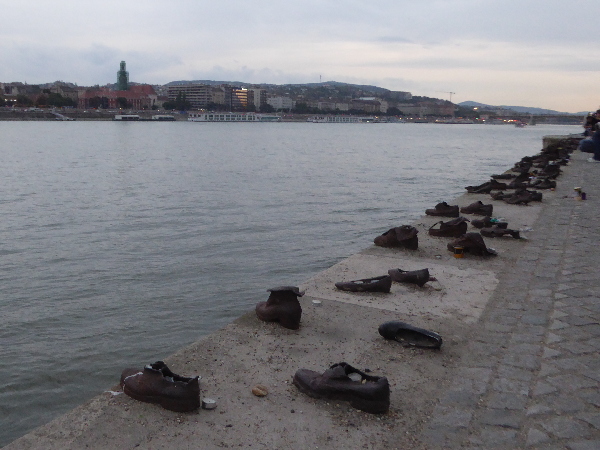
This powerful and moving memorial consists of bronze shoes along the riverbank, commemorating Jewish victims who were shot and fell into the river during World War II.
Each pair represents a life lost. At sunset, we witnessed a young Jewish man quietly lighting a candle inside one of the shoes. It was a simple but deeply emotional moment that stayed with me.
Margaret Island
A peaceful green escape in the middle of the Danube, Margaret Island is perfect for a break from sightseeing.
You’ll find walking paths, cafés, bike rentals, a Japanese garden, a small zoo area, and a musical fountain. It’s an ideal place to slow down, relax and maybe have a picnic.
Budapest at Night
One of the highlights of the city is how beautifully it lights up after dark. Bridges, the Parliament building, and other landmarks glow along the river, creating a stunning atmosphere.
It’s a paradise for photography—but after a full day of walking, staying out late to capture it all can be exhausting. Still, it’s worth it if you can manage it and your feet aren’t too tired.
Gellért Hill
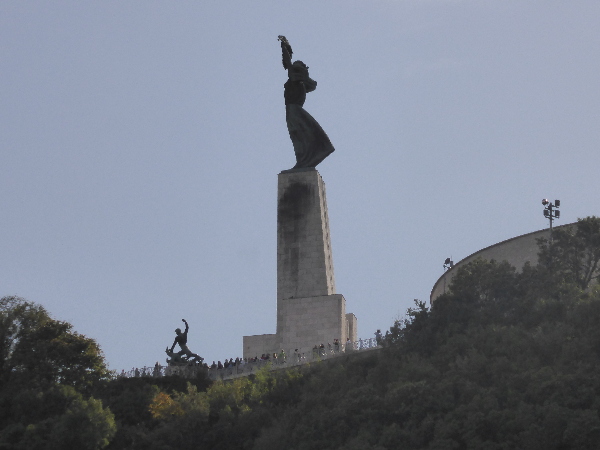
For one of the best panoramic views of Budapest, head up Gellért Hill, where the Statue of Liberty overlooks the city.
You can walk up, though the paths can be confusing and are not ideal at night. Alternatively, take a bus or taxi and walk the final section.
We visited after dark, and the view over the illuminated city was unforgettable.
St. Gellért Thermal Bath (Currently Closed)
The famous Gellért Thermal Bath is well known for its Art Nouveau architecture and relaxing pools.
However, it is currently closed for refurbishment and is expected to reopen in 2028. When it reopens, it’s worth visiting—just remember to bring your own towel and swimwear to avoid extra rental costs.
Where to Stay in Budapest
Budapest is split by the River Danube into two distinct areas: Buda and Pest. Budapest is divided into 23 districts.
Best Area for First-Time Visitors (District V – Pest)
If it’s your first visit and you plan to do a lot of sightseeing, Belváros–Lipótváros (District V) is one of the best places to stay. It’s central, walkable, and close to many major attractions, including the Danube and the Parliament.
It is more expensive, but the convenience is hard to beat. We stayed in this area and found a very reasonably priced accommodation. We chose a small locally owned hotel instead of a major luxury brand.
Best for Nightlife (District VII – Jewish Quarter)
If you’re interested in ruin bars, nightlife, and a more energetic atmosphere, the Jewish Quarter is ideal. It’s lively, full of restaurants, and very popular with younger travellers.
Best for Views & History (Buda Castle – District I)
On the Buda side, the Castle District offers cobbled streets, historic buildings, and incredible views over the city.
It’s quieter and more atmospheric, but there are fewer restaurants and nightlife options.
When Is the Best Time to Visit Budapest?
June to August is peak season, with warm weather, festivals, and large crowds. Expect higher prices during this time.
For a more relaxed visit, April, May, September, and October are ideal. These shoulder months offer pleasant weather, fewer tourists, and better value.
December is perfect if you enjoy Christmas markets and festive lights. It’s cold, but the atmosphere is magical, especially at night.
Budapest Public Transport Guide (Tickets & Tips)
Budapest has an excellent public transport system, including buses, trams, trolleybuses, and a four-line metro network. https://www.budapest.net/
One very important rule: always validate your ticket before travel. Tickets must be stamped in a machine when first used. Inspectors are common, and fines are issued on the spot with little flexibility.
Tickets cannot be bought on board buses or trams, so it’s best to purchase them in advance. We found it easiest to buy a small booklet of tickets from a metro station.
Essential Budapest Travel Tips
- English is widely spoken in tourist areas, even though it’s less common among the wider population
- You are required to carry your passport as ID; a photocopy is not sufficient.
- The currency is the Hungarian Forint (HUF), not euros
- Some places accept euros, but exchange rates are usually poor
- Credit cards are widely accepted, but cash is still useful for smaller shops and markets
- Accessibility varies—some attractions are wheelchair-friendly, but others (especially older sites) can be challenging. Public transport is not always wheelchair-friendly and requires some planning
What Is Budapest Really Like?
Budapest surprised us in the best possible way.
There is a huge amount to see, and many attractions are free or very affordable. You can get around easily on foot or by public transport, although we often choose to walk simply to take everything in.
By the end of each day, our feet were definitely tired—but walking did help us save money and discover more of the city.
Hungarian food is hearty and comforting, with dishes like goulash being perfect after a long day of exploring. That said, Budapest also offers a wide variety of international food if you want something different.
I’m not usually a big city person, but Budapest has a kind of old-world charm—like a place that’s lived through a lot, yet still knows how to smile at itself. I really enjoyed it.
Final Verdict: Is Budapest Worth Visiting?
Yes—absolutely.
If you’re unsure what to expect, Budapest might surprise you in the same way it surprised us. It’s a city full of history, beauty, and atmosphere, but also warmth and energy.
It’s one of those places that feels both grand and approachable at the same time—and if you haven’t been, then it is definitely worth visiting. I hope you enjoy it too.
Leave a Reply