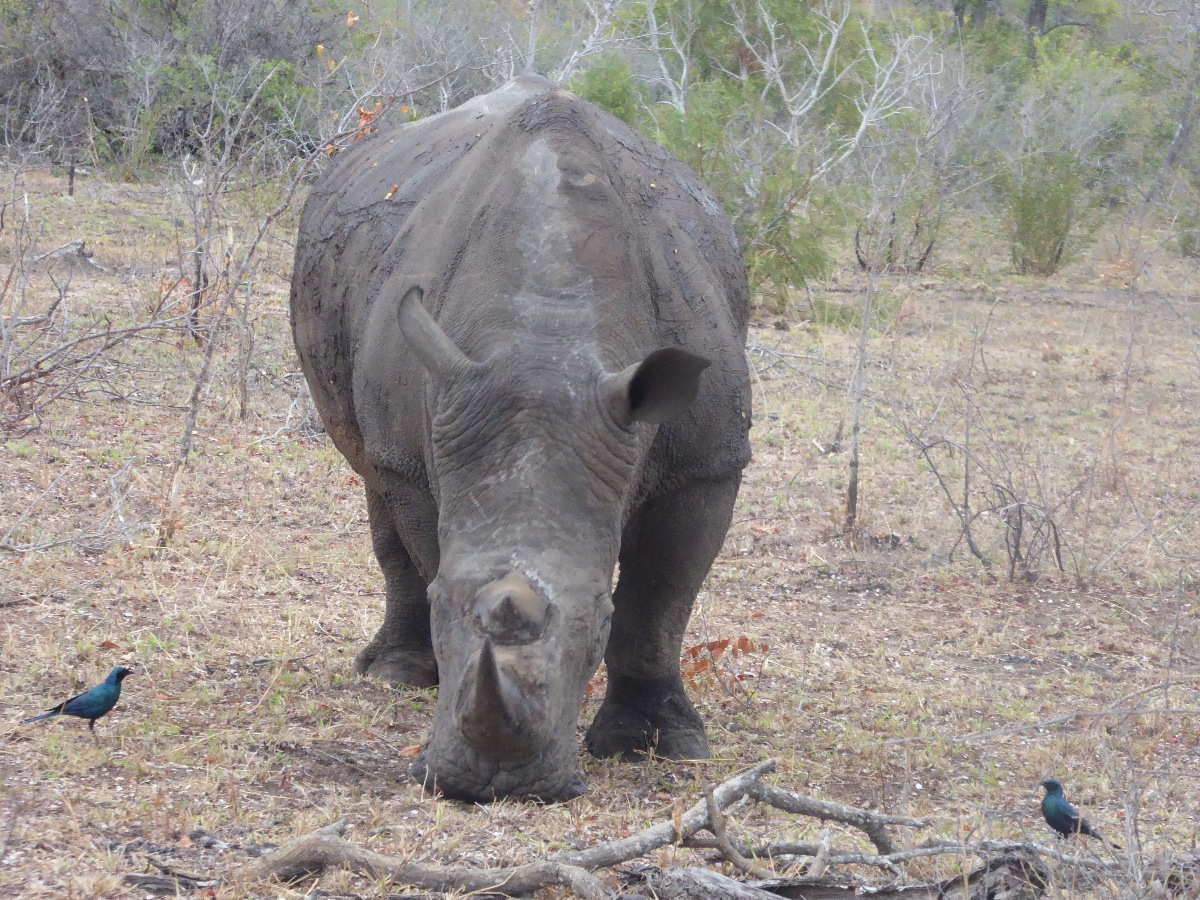
I first became interested in South Africa after meeting a couple who couldn’t stop talking about Kruger National Park. Their enthusiasm was infectious, but I still had one major concern: was South Africa safe?
At the time, most of what I knew about the country came from headlines about carjackings and violent crime. As someone who is naturally risk-averse, that didn’t sound like the ideal destination for a relaxing holiday.
However, as is often the case when you dig deeper, the reality is more nuanced. While South Africa does have significant crime problems, most tourists visit without experiencing any issues, especially if they take sensible precautions.
In the end, our trip was trouble-free and memorable for all the right reasons. We experienced incredible wildlife, stunning scenery, excellent food and wine, and some of the most memorable travel experiences we’ve ever had.
Why Visit South Africa?
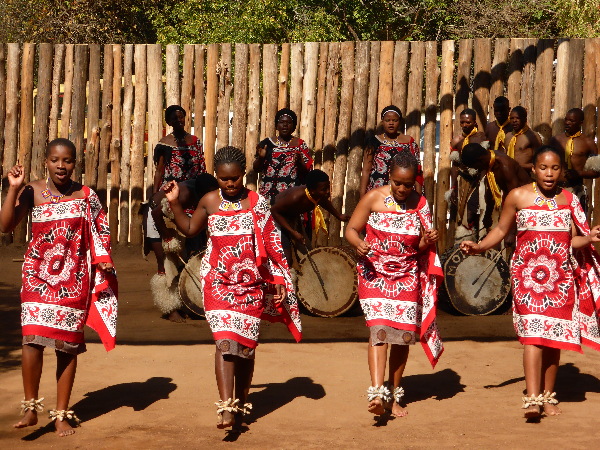
The wildlife was what initially drew us to South Africa, but the country offers far more than safaris. There are beautiful beaches, world-class wine regions, dramatic mountain scenery, fascinating history, and vibrant cities.
For us, South Africa also served as a convenient base for exploring neighbouring countries. During our trip, we took short visits to Eswatini (Swaziland), Botswana, Zambia, and Zimbabwe, where we saw Victoria Falls.
If wildlife is your main reason for visiting, Kruger National Park and the neighbouring Sabi Sands Game Reserve are hard to beat. Seeing the Big Five in their natural habitat is an unforgettable experience.
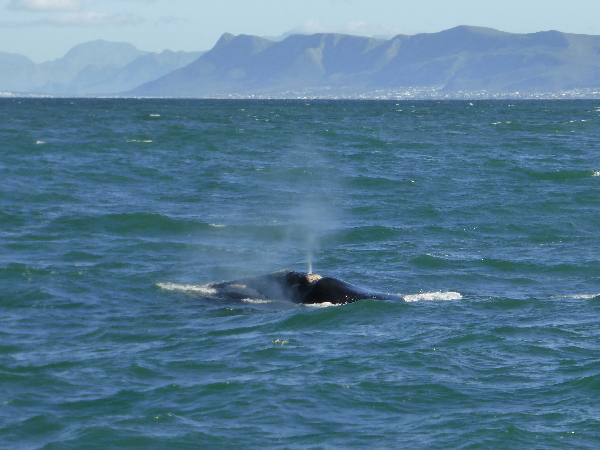
We balanced our city sightseeing with safari adventures, penguins at Boulders Beach and whale watching in Hermanus. While you can often spot whales from the shore, seeing them from a boat is far more memorable.
For a romantic getaway, Stellenbosch and Franschhoek are excellent choices. Located in the heart of the wine region, they offer beautiful vineyards, luxury hotels, and outstanding restaurants.
One practical advantage for European travellers is the lack of significant jet lag. Flights from the UK take around 11 hours, but South Africa is only one or two hours ahead, depending on the time of year. As a bonus for British visitors, South Africans drive on the left-hand side of the road.
Is South Africa Safe for Tourists?
Millions of tourists visit South Africa every year without encountering any safety problems. That said, it’s not a destination where you can completely switch off your awareness.
We took a few simple precautions during our trip. In Johannesburg, we stayed at an airport hotel with its own restaurant, so we wouldn’t need to go out after dark if our plane landed late. In Cape Town, we chose accommodation in a busy area with plenty of restaurants and people around in the evenings.
It’s worth researching areas before you travel. There have been cases of visitors blindly following sat-nav directions into high-crime neighbourhoods. Sticking to main roads and understanding which areas to avoid significantly reduces your risk.
When booking accommodation, look for properties in well-reviewed areas and, if you’re driving, secure parking is a worthwhile feature.
If you’re planning to hike Table Mountain, stick to popular trails during daylight hours. Solo hikers face greater risks, so consider joining a group or choosing busy times of day.
One safety issue that often gets overlooked is the wildlife. Many visitors underestimate how dangerous wild animals can be. On safari, listen to your guide and follow the rules. It’s the people who treat lions like big pussy cats that get into trouble.
Otherwise, the usual travel precautions apply: avoid displaying expensive jewellery, keep phones out of sight when possible, stay in busy, well-lit areas after dark, and keep vehicle doors locked in traffic and the windows closed.
South Africa’s crime rate is higher than that of many Western countries, but crime is not evenly distributed. Tourist areas are generally much safer than the country’s poorest neighbourhoods.
Best Time to Visit South Africa
South Africa is a year-round destination, but the best time to visit depends on what you want to do.
For beaches and general sightseeing, the summer months from December to March offer warm temperatures and long days. In Cape Town, temperatures typically reach around 24–25°C (75-77F).
For safaris in Kruger National Park, many people prefer the dry winter months from May to September. The vegetation is thinner, making wildlife easier to spot. Early-morning game drives can be surprisingly cold, so warm clothing is essential.
The wetter months of January to March can be cheaper and bring the added bonus of seeing young animals.
If whale watching is on your bucket list, June to August is generally the best period.
How Expensive Is South Africa?
South Africa offers good value compared with destinations such as London or New York, although it is generally more expensive than many parts of Eastern Europe or Southeast Asia.
Safari accommodation is often the biggest expense, particularly in private game reserves. However, there are options across a wide range of budgets, and many visitors only spend a few days on safari.
Hotels in major cities can be surprisingly affordable by international standards, especially at the higher end of the market. In Cape Town, we found good hotels for only £150 per night; however, we decided to stay at the Victoria & Alfred Hotel at the V&A Waterfront, a prime location, which only cost £300.
Dining out is generally cheaper than in most Western countries, although imported products in supermarkets can be expensive. Local food and produce are usually very reasonably priced.
One cost that visitors sometimes overlook is car hire. Public transport is limited in many areas, so renting a car is often the most practical option.
Where to Go in South Africa
Cape Town
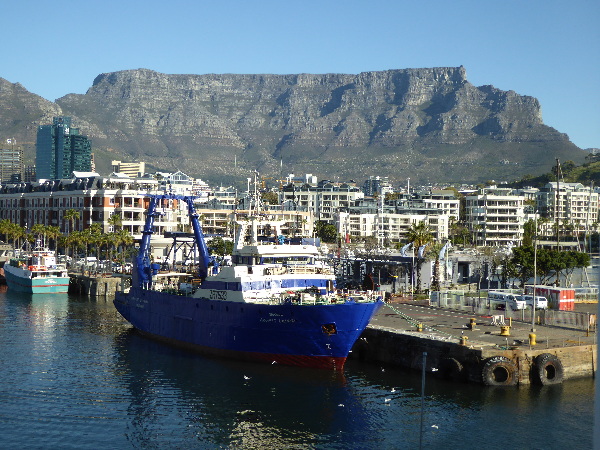
Table Mountain is the most prominent feature of Cape Town. This flat-topped mountain is 1086 metres high (3563 feet). You can walk up or take the cable car. Unfortunately, when we went, the cable car was closed for routine maintenance. https://www.tablemountain.net/
The Victoria & Alfred Waterfront is one of Cape Town’s main tourist hubs, especially in the evenings. I enjoyed it, but noticed long queues at the car parks. This area has restaurants, shops, an aquarium and a giant wheel.
Cape Town has several beaches nearby to cater for your needs, whether you want scenic, lively, or surf spots.
Chapman’s Peak Drive (Chappies) is a 9km scenic coastal road between Hout Bay and Noordhoek. The road is a toll road with numerous curves. On sunny days, it is beautiful with the mountainside on one side of the road and the Atlantic Ocean sparkling below. Although the road doesn’t take long to drive along, if you want to stop and take loads of photos like me, then allow plenty of time.
Cape Point is a wild, scenic headland at the tip of the Cape Peninsula with dramatic cliffs, ocean views, wildlife, and a historic lighthouse. It is a great place to walk and spot baboons, ostriches, eland, other deer, and numerous seabirds. It’s not far from one of my favourite places, Boulder Beach.
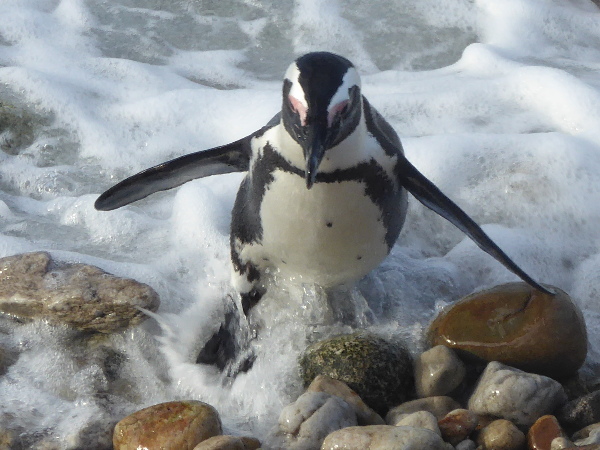
Boulder Beach is where you see lots of African penguins. I am not that interested in penguins at the zoo, but in the wild, I find them funny because they are so ungainly when they emerge from the sea. I could have spent hours here watching the funny little guys.
I didn’t have time to visit the Kirstenbosch National Botanical Garden, but given what it has to offer, it is a shame I missed it. It is one of the best Botanical Gardens in the world and very large, so allow plenty of time to enjoy it.
The Garden Route
This is a famous route which many tourists enjoy. It has ocean views, beaches, mountains, forests, and small towns. The route is about 186 miles long, starting in Mossel Bay and ending in Storms River.
Many people start in Cape Town and visit a couple of vineyards before heading to the Garden Route. Most travellers spend between four and seven days exploring the route, depending on how many activities you stop and do.
Along the route, you can canoe or hike, try the seafood and oysters along with your wine, visit the historical sites, or whale watch if the time is right. There are even some small private reserves if you want to do a bit of wildlife spotting.
Johannesburg
Johannesburg is a modern city with some important historical sites such as Constitution Hill, A former prison complex where Nelson Mandela and Mahatma Gandhi were detained.
Tourists often visit on their way to a safari; we did this and also used it to see other countries, as it has good airport links.
Durban
Durban is a major coastal city. It is famous for its Golden Mile Beach, which surfers enjoy. It is different from Cape Town, with a more tropical climate and a distinct cultural identity.
U Shaka Marine World is a very popular attraction. It is a theme park home to one of SeaWorld’s largest sites. It also has Wet ‘ n ‘ Wild, a dangerous creatures section, a shopping area, a rope adventure park, and if you want to, you can walk with the sharks or snorkel with exotic fish!
Durban is home to a large South African Indian community, making it one of the best places in the country for curries—a major plus in my book.
Unfortunately, we didn’t get to go to Durban, but one of my daughters spent a week there. She went with a large group of young people and told me they all enjoyed trying different restaurants and cuisines. Everyone found something they liked. She enjoyed the beach and was impressed by how the lifeguard got everyone out of the water as a storm approached. The girls were repeatedly warned not to return to their hotel on their own because it wasn’t safe.
At the airport on her return journey, she was travelling alone, and the airport staff took her under their wing and insisted she wait with them until boarding began. I suspect it was because she looked much younger than she was, but it is nice to know that, even though they were busy, they still looked out for her.
Things I Wish I’d Known Before Visiting South Africa
Driving
Driving is easier than many people assume. They aren’t as careful drivers as we have back home, but I have seen a lot worse. The highways are normally in good condition. While the city traffic can be bad during rush hour, driving the Garden Route is enjoyable.
Distances between destinations can be long, so don’t underestimate them. Although we hired a car, we sometimes flew rather than drove.
Petrol stations often have attendants.
Day Safaris
You can do day safaris. We enjoyed our safari so much that we decided to do a few-day safaris to other areas. We enjoyed the day safaris, but wished we could stay longer. You can spend a lot of time driving to a game reserve and usually miss the prime time when the animals are most active. However, it is worth trying one if you are short of time.
On some day safaris, you get someone who drives you around like a taxi driver, hunts down the animals and has no knowledge of them. Try to find someone passionate about animals.
Safety
There are lots of kind people who will look out for your safety. At one airport, we couldn’t find a bus stop, and two guys approached us and said they would show us the way. After a few moments, I felt very uncomfortable. One of the men wore a long black mac, just like the baddies on TV from the 80s, and my gut said this didn’t feel right. I didn’t know how to get out of the situation, as my husband had walked off ahead with one guy. In the end, a security guy rescued us and sent the two men away.
When on our safari, we had told the camp manager our plans for the rest of our trip. He had obviously been worrying about it and approached us early the next morning. We reassured him that we had a hotel booked and wouldn’t be driving at night. I did appreciate his concern.
We even had a stranger stop to check we were ok when we pulled off the road to eat some sandwiches.
The Animals
I wished I had known more about the basic types of animals before I went on a safari. When our guide told us to look just beyond the Impala, I had no idea which animal it was (an antelope). On the first day, he asked which animals I wanted to see. I had no clue which animals I could see in South Africa or what the Big 5 were, and I didn’t want to suggest an animal that wasn’t even found there.
Tipping
Tipping in South Africa is very similar to the UK. You don’t have to tip, but it is nice if they provide good service. Cash is preferred.
Normally, you tip 10-15%, but I have been told in high-end restaurants it could be up to 20%.
In small cafes, you leave small change or round up.
Taxis: you round up or leave 5-10%.
Petrol station attendants should get 5–20 ZAR, depending on whether they also washed the windows and checked the oil.
Group tour guides 10-15% of the tour cost.
The biggest dilemmas for me is tipping on a safari. You get to know the people, so you want to give a fair tip, but it can be a big tip, so what is the correct amount?
I have been told that 100–200 ZAR per person per day is fair for a guide/ranger, 50-100 ZAR for a tracker.
Summary: So, is South Africa Worth Visiting?
South Africa isn’t the easiest country to travel around. You can’t always wander around as carefree as you might in places such as London, Tokyo, or Singapore. Power cuts can occur, public transport is limited, and it pays to be aware of your surroundings, particularly after dark.
Yet the rewards are considerable. Few countries combine spectacular wildlife, dramatic landscapes, excellent food and wine, beautiful coastlines, and rich cultural experiences in quite the same way.
If concerns about crime are putting you off, organised tours can remove much of the stress and uncertainty. However, independent travel is entirely possible if you’re willing to do some research and take sensible precautions.
Before booking, I wanted answers to three questions: Was South Africa safe? Could I afford it? And would it live up to the hype surrounding its wildlife and scenery? After spending time there, I can confidently say it exceeded my expectations—though there are a few things I wish I’d known before visiting.
As I visit lots of countries each year, many destinations can start to blur together. South Africa hasn’t. It remains one of the most distinctive places I’ve ever travelled to.
It was where we went on our first safari, and watching wild animals in their natural habitat is an experience I don’t think I’ll ever forget.
One day, I hope to return to go up Table Mountain, visit Durban, and see the Kirstenbosch National Botanical Garden, and I will never get bored with another safari.
If you are interested in going on a safari, I have more information here https://passportattheready.co.uk/your-first-safari
Leave a Reply