Why are airports so stressful?
According to one US survey, 44% of people find airports and flying more stressful than going to the dentist. That’s quite a statistic, given that travelling is supposed to be the start of a holiday.
Personally, I love airports. They mark the beginning of an adventure, and I enjoy watching aircraft, browsing the shops and soaking up the excitement before a trip. But I know I’m in the minority. Over the years, I’ve met plenty of people who dread the airport experience, and some have even told me they’ve stopped travelling because it’s too stressful.
So what is it about airports that raises our stress levels? More importantly, what can we do to make the experience easier?
What makes airports stressful?
For some people, it’s a fear of flying. For others, it’s lots of little things adding up.
When you’ve spent a small fortune on flights, booked time off work and spent months looking forward to a holiday, anything that threatens it becomes a source of worry. Heavy traffic, forgotten passports, delayed trains or long queues can suddenly feel like disasters.
Then there’s the airport itself. Airports are often huge, noisy and surprisingly confusing. I’ve followed signs down long corridors and up escalators, only for them to disappear completely. You end up wondering whether you’ve taken a wrong turn or whether the airport simply expects you to guess the rest.
You also have to arrive hours before your flight, yet not every airport seems keen on providing comfortable places to wait. Some seating looks wonderfully modern, but I’d happily swap stylish benches for a chair with a proper backrest. Sometimes I wonder whether uncomfortable seating is designed to encourage us to wander around the shops instead.
At one airport, I even saw almost half the plane’s passengers sitting on the floor because there weren’t enough seats.
Queues don’t help either. If you dislike crowds or suffer from social anxiety, airports can feel overwhelming. Security involves standing in line, emptying your pockets, taking electronics out of your bag and watching your belongings disappear through the scanner while you wait on the other side.
You can’t control bad weather or airline delays, but you can remove many of the things that make airports stressful in the first place.
Start before you leave home
One thing I’ve noticed is that many people arrive at the airport already stressed. By then, the airport hasn’t actually done anything wrong.
I know someone who spent the morning of her flight packing suitcases while taking her children to two different activity clubs. Unsurprisingly, she arrived exhausted before the holiday had even begun.
I find it much easier to pack most things a day or two before travelling. That way, the morning of the flight is just about adding the last few essentials rather than rushing around trying to remember where you left your phone charger.
If possible, treat your travel day as the first day of your holiday rather than the last day at home.
That also means planning transport in advance. Whether you’re driving, getting a taxi or taking the train, booking ahead removes one more thing to worry about.
For us, the train is usually the cheapest option. It’s only a little cheaper than a taxi, but it does mean dragging luggage through several stations. Sometimes paying slightly more for a taxi is worth it simply because the journey is so much easier.
It’s also worth downloading your airline’s app before you travel. You’ll usually receive notifications about gate numbers, boarding times, and delays without constantly checking the nearest departure screen.
Finally, make sure your phone and tablet are fully charged before you leave. If you’re taking a power bank, you need to pack it in your hand luggage where it’s easy to find and remove when boarding the plane.
Check your passport
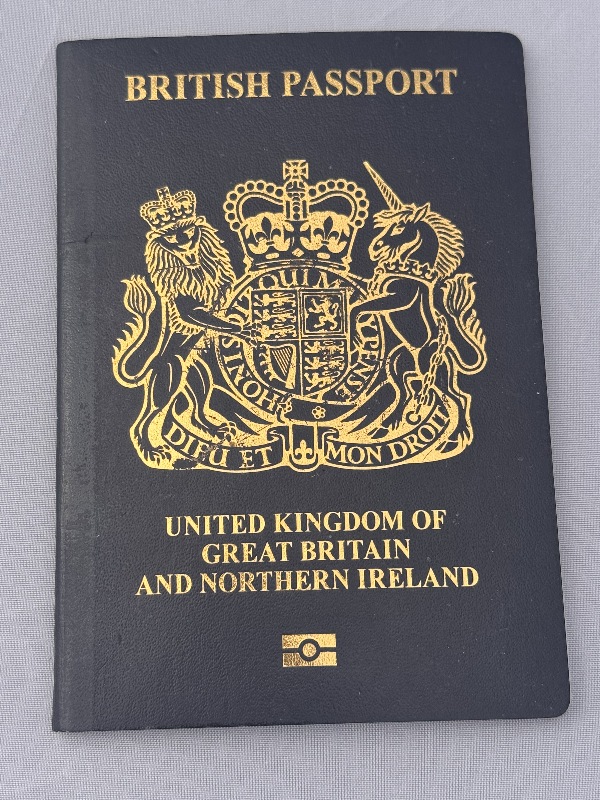
Before you even think about packing, check your passport. Make sure it’s still valid and, if required by your destination, that it has at least six months left before it expires. Also, check that you have enough blank pages for any entry or exit stamps.
Don’t forget to check whether you need a visa as well. It’s one of those things that’s easy to overlook until it’s too late.
As you leave the house, do one final passport check. It sounds obvious, but many people have reached the airport only to discover they’ve left it sitting on the kitchen table.
While you’re checking, make sure it’s actually your passport. It might sound unbelievable, but it’s not uncommon for someone to arrive at the airport carrying their partner’s passport instead of their own.
Keep your passport with you at all times. Don’t tuck it into the side pocket of your checked luggage, especially if you’re using a self-service bag drop. Once your suitcase disappears down the conveyor belt, so does your passport.
Interestingly, men – particularly business travellers – are statistically more likely to forget their passports than women. If that sounds like you, make sure checking your passport is a high priority.
Leave for the airport with plenty of time
The most stressed people at the airport are usually those running late. Every queue seems longer, the passenger in front always has every pocket full of loose items at security, and the departure gate somehow ends up being the furthest one away.
Some people think arriving just before the gate closes is impressive, but they usually look as though they’re about to have a heart attack.
In a UK survey, more than 60% of passengers said they worried about getting stuck in traffic on the way to the airport. Giving yourself extra time removes much of that unnecessary stress.
As a general guide, arrive around three hours before an international flight and two hours before a domestic flight. During busy periods, such as the start of the school holidays, it’s worth allowing even more time.
When planning your journey, build in a little flexibility. I live in an area where trains are regularly cancelled, so I always plan an earlier option. That way, if the first train doesn’t turn up, I still have a good chance of reaching the airport on time.
If you’re using an airport car park, remember that it may not be next to the terminal. You might need to catch a shuttle bus, and if those buses only run every 20 minutes, that can quickly eat into your schedule.
It’s also the little things that catch people out. Scraping ice off the windscreen on a cold morning, stopping for fuel because the tank is nearly empty, or finding unexpected roadworks can all add precious minutes to your journey.
Returning a hire car can be just as unpredictable. Long queues or delays while staff inspect vehicles are common. I always ask when I collect the car how much time they recommend allowing for drop-off.
And if you do arrive before check-in opens, don’t worry. It’s far better to spend half an hour relaxing with a coffee than twenty minutes sprinting through the terminal.
Book a Nearby Hotel
Getting up at 4 a.m. is no fun. In fact, just knowing you have an early start often means you don’t sleep well in the first place. Arriving at the airport tired and grumpy is hardly the best way to begin a holiday.
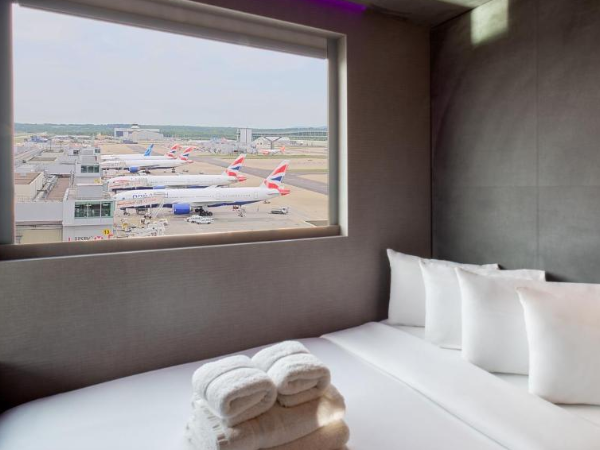
If you have an early flight, consider booking an airport hotel. I’ve stayed in several that are connected directly to the terminal, and it’s such an easy way to travel. You can wake up, enjoy a leisurely breakfast, and stroll into the airport feeling relaxed instead of rushed.
The only downside? Airport hotels can be expensive. But for many people, a good night’s sleep and a stress-free start to the trip are well worth the extra cost.
Know When Your Gate Closes
Most passengers know what time their flight departs, but an equally important time is when the gate closes.
Many passengers don’t realise that if they arrive after the gate has closed, they won’t be allowed to board, even if the aircraft is still sitting on the tarmac.
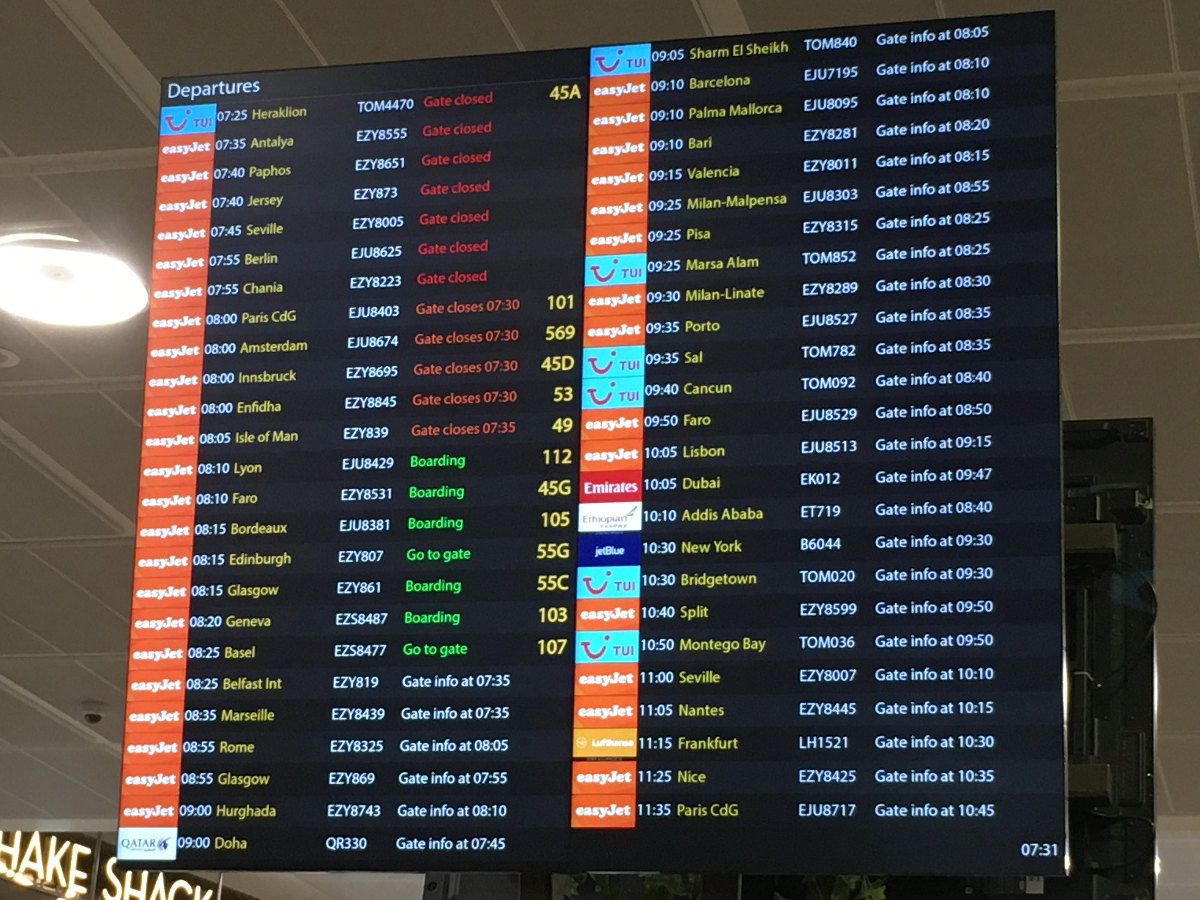
Check your boarding pass or the departure screens so you know exactly when your gate closes. It’s often 30 minutes before departure, but it can be anywhere from 45 to 60 minutes, depending on the airport or airline.
Also, don’t underestimate how long it can take to reach your gate. Some gates can be so far away that you begin to wonder if you are walking to your destination rather than flying there! Don’t leave it until the last minute while you finish your coffee or browse the duty-free shops.
Don’t Let Your Luggage Stress You Out
Luggage is another common source of airport stress. People worry about bags being lost or exceeding the airline’s size or weight limits.
The good news is that only 0.6 % of checked bags go missing globally, and most of those are reunited with their owners within a couple of days.
To make life easier, always carry your medication, valuables, important documents, and anything you couldn’t easily replace in your hand luggage.
If you’re travelling with someone else, pack a few changes of clothes in each other’s suitcases. That way, if one bag is delayed, you’ll still have something to wear.
Instead of putting your home address inside your suitcase, place a large card with your email address and mobile number inside. It’s enough for the airline to contact you without sharing unnecessary personal information.
A distinctive suitcase or colourful luggage cover also makes your bag much easier to spot on the carousel and reduces the chances of someone picking it up by mistake.
One of the biggest worries for travellers is exceeding the baggage allowance. A small portable luggage scale is worth its weight in gold. Weigh your bags before you leave for the airport, and remember that if you’re flying with more than one airline, baggage allowances may differ.
My daughter once carefully weighed her suitcase… and then decided to squeeze in a few extra bottles of her favourite shampoo afterwards. We ended up searching for an airport shop in the early hours, buying an overpriced bag, and paying extra baggage fees. It was stressful, expensive, and I’m still not convinced she couldn’t have survived without her favourite shampoo for a few months!
If hauling heavy suitcases to and from the airport is adding to your stress, it’s worth looking into luggage delivery services. They can collect your bags from your home and deliver them directly to your destination hotel, leaving you free to travel much more comfortably.
Getting through security
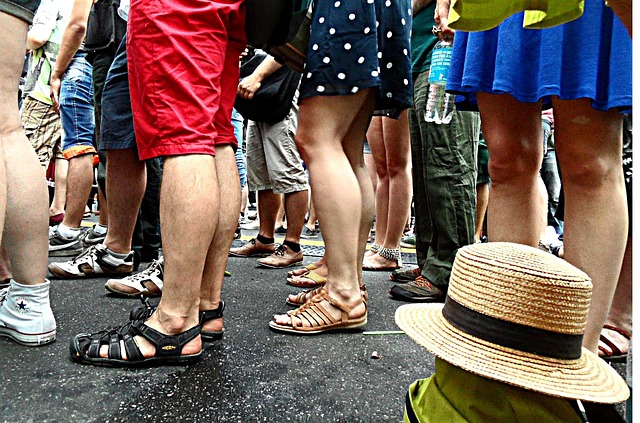
If you hate queuing at security, you could consider Premium Security. It’s a separate security area with fewer people, so the queues are usually shorter. You do have to pay extra and book in advance, and not every airport offers it. It isn’t always any faster than the standard queue, but during busy holiday periods, it can be worth it.
What you can and can’t take through security varies from airport to airport. It’s worth checking the airport’s website before you travel so you know what you need to take out of your bag and what isn’t allowed in your hand luggage.
Don’t forget to pack a clear plastic bag for your liquids. If you’re flying from a UK airport, you might not need one anymore, but there’s a good chance you’ll need it for your journey home.
Airport security rules can vary more than you might expect. Some airports let you take water through security, while others don’t. Some are stricter about items like umbrellas. It’s always worth checking before you travel.
I find it easiest to keep everything that needs to go in the tray together in one pocket of my bag. That way, I can pull it all out quickly without worrying that I’ve forgotten something. A lightweight shopping bag works well, too.
You often hear that you should dress specifically for airport security by wearing slip-on shoes or avoiding underwired bras. Personally, I don’t think it’s worth planning your outfit around security. Wear whatever will keep you comfortable on the plane. Security staff routinely search people even when nothing has set off the alarm. That said, I probably wouldn’t wear thigh-high lace-up boots, but mainly because they wouldn’t be very comfortable for flying anyway!
If you’re travelling with children or have a disability, some airports have a separate security lane. It won’t necessarily be any quicker, but it can feel much less stressful when you don’t have an impatient traveller standing right behind you.
Create a relaxed feeling
Once you’re through security, try to do something you enjoy instead of simply waiting for your flight. Have a meal, buy yourself a coffee and a cake, browse the bookshop or treat yourself to something from the duty-free shops.
If you’re travelling with children, let them choose a comic or a small treat. You could pick up a book yourself, or finally watch that film you’ve had downloaded for ages. Rather than thinking of airport time as waiting around, think of it as a chance to slow down and enjoy yourself.
If busy airport terminals aren’t your thing, put on your headphones and listen to music, watch something on your phone, or play a game that helps you relax.
If you enjoy having a drink before you fly, that’s absolutely fine. Just keep it sensible, as airlines can refuse boarding if someone appears intoxicated.
Many airports now have facilities that can make the experience much more enjoyable, from artwork and spas to gyms, sleeping pods, gaming rooms and even butterfly gardens. Many also have quiet zones and airport lounges. If your airport offers them, it’s worth making the most of them instead of just sitting at the gate.
When things go wrong
Even if you’re feeling relaxed, it’s still worth checking your flight information from time to time. Gates can change, and flights are sometimes delayed.
A little preparation can make delays much less stressful. Keep your car hire company’s phone number handy, allow plenty of time for connections on long journeys, and avoid booking anything important that depends on you arriving at a precise time. If your flight is delayed, all you need to do is let the relevant people know and then make the best of the situation.
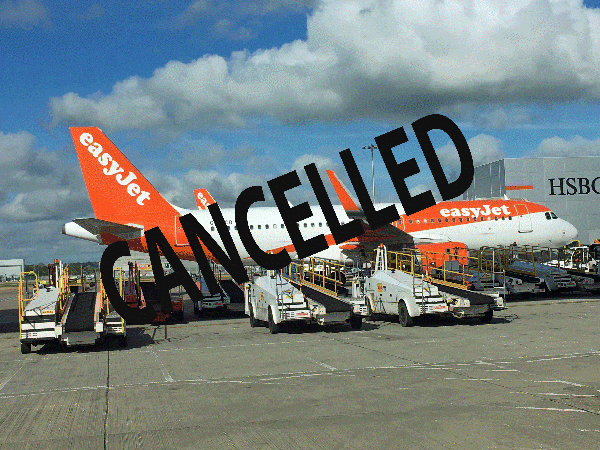
If your flight is cancelled… well, you’re human. Feeling stressed is perfectly normal. The important thing is to remember that airlines deal with cancellations every day. Get in the queue or contact the airline through their app if possible, know what you’re entitled to, and focus on sorting out the next step rather than worrying about what has already happened. One problem doesn’t have to ruin your whole trip.
Putting Your Stress-Free Airport Plan into Action
Airports probably won’t ever become everyone’s favourite place. Personally, I love them because they signal the start of another adventure, but I appreciate that’s not how everyone feels.
A little preparation can remove many of the biggest causes of stress. Once you’re through security, slow down, grab a coffee, relax over a meal, or watch the planes. Your holiday has already begun, so you might as well enjoy the first part of it.
One of my favourite things to do is simply to people-watch. You’ll see different cultures coming together, business travellers squeezing in one last email, and children driving their parents mad because they’re too excited to sit still. There’s something about the atmosphere that I genuinely enjoy.
Hopefully, these tips will help make your next airport visit a little less stressful. And who knows? You might even find yourself enjoying the experience a bit more—or at least seeing why I always look forward to it.
Meta Title:
Airport Stress Tips: How to Stay Calm Before Flying
Meta Description:
Learn how to reduce airport stress with practical tips on packing, passport checks, security, luggage, delays, and enjoying a calmer start to your holiday.
Leave a Reply