Coming from England, I have no experience of dangerous animals except seeing them in zoos. Cows can cause injuries and occasionally kill a person, or you might get infected by a tick bite. The last person to die from a snake bite in the UK was in 1972, so it is an animal-safe country.
When we said we were spending the summer in Australia, family and friends were quick to point out all the dangerous animals they have. My parents were convinced I would encounter box jellyfish and sharks if I put my toe in the sea. If I went near any water inland, I would be eaten by a crocodile; in the outback, the snakes would get me, and funnel web spiders would be hiding down every toilet.
I can report that I didn’t see any dangerous animals and survived. On a couple of occasions, I saw a crocodile sign and noticed the undergrowth move when I was near rivers. I made a hasty retreat, but on reflection, it could have been a bird amongst the bushes moving the leaves.
So, how worried should you be about dangerous animals, and what should you do if you see one?
The most dangerous animal in the world
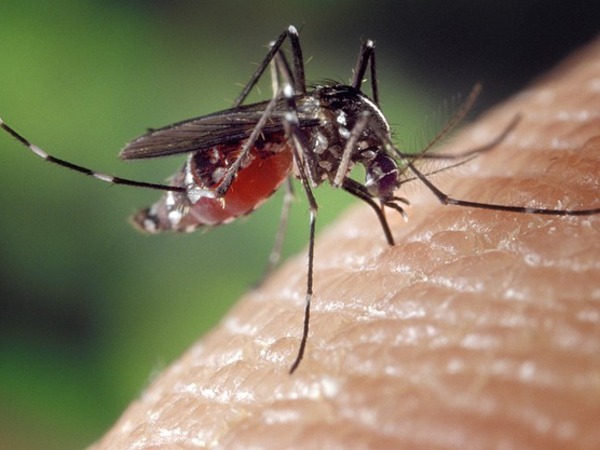
Statistically, the mosquito is the most dangerous animal as it kills more people each year than any other animal, about 750,000 people. I doubt you will stay awake at night, worrying about encountering a mosquito, but it is a good reminder to take all necessary precautions against mosquito bites. The animals most people worry about are not the most dangerous.
Small animals
Freshwater snails kill 20,000 people each year by carrying a parasitic worm that can then infest the water a person encounters.
Assassin bugs kill 12,000 people each year by giving people Chagas disease.
Tsetse flies kill 10,000 people each year by causing sleeping sickness.
Roundworms cause 4,500 deaths each year because of an infection affecting the small intestine.
Tapeworm causes 700 deaths each year by getting into the gut.
Scorpions
There are about 3,250 deaths a year due to scorpion bites. About 1000 of these deaths occur in Mexico. Of the 2000 scorpion species, about 100 produce venom which can be dangerous; therefore, only a small percentage of scorpions can kill a person. However, the bites can still be unpleasant even if it doesn’t kill. Arizona bark scorpions used to be lethal, but nowadays there is an effective antivenom.
If you get bitten by a scorpion, stay calm and remember most scorpions aren’t dangerous. Try to take a photo of the scorpion so you can identify it. Wash the wound with soap and water and seek medical advice. The very old and the very young are at the most significant risk. Many people treat a scorpion bite at home, but if you are a tourist, you may not know which bites to take seriously, so it’s best to have it checked out by a medical professional.
Snakes
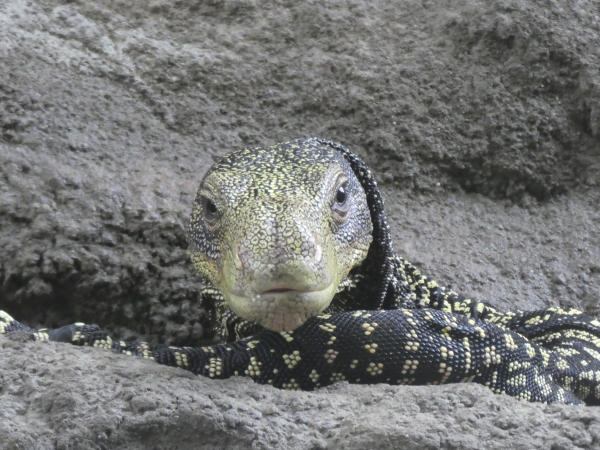
It is pretty understandable if you are worried about snakes, as they do kill 100,000 people each year. Australia is home to 20 of the 25 most venomous snakes in the world, but before you remove it from your holiday shortlist, you should know that, on average, only two people a year die from snake bites in Australia.
India has the highest number of fatal snake bites. This is because of several reasons, but part of the problem is that the people who are most at risk from snake bites are the least informed about what to do, and delay treatment or use cures that have no real value.
- If you get bitten by a snake, try to remember what it looks like or take a photo if it is still around, but don’t get too close. This will help you get the right antivenom.
- Keep calm and don’t move too much to stop the venom from spreading fast. If possible, someone should carry you.
- Cover the bite with a clean cloth.
- Seek medical help straight away. Do not wait and see; even if you feel fine, you must get the bite checked out.
- Don’t try sucking the venom out or making a tourniquet.
- Remember, not all bites are venomous, so don’t panic.
The best way to avoid snakes is to wear proper footwear and avoid long grass. When climbing on rocks, look carefully where you put your hand. Teach children not to go near snakes. We once saw a snake sunbathing on a rocky path, and our 2-year-old daughter was walking in front of us. We stopped her just before she went for a close look.
Dogs
Dogs kill 35,000 people each year, a high number of these deaths are caused by rabies, which the dogs pass on to humans. As a dog lover, I won’t lose sleep worrying about meeting a dog, but it’s essential to be aware that rabies is a problem in many countries. Even if you get a scratch, you should seek help if the skin is broken.
I always thought that if a dog had rabies, it would act aggressively, but apparently, sometimes a dog can be very friendly in the early stages when it feels slightly unwell and might seek out human contact to feel better. If you are an animal lover, it can be hard to resist petting a dog abroad, especially if it looks homeless, but it is better to give some money to a local animal charity than risk your health.
In many countries, some dogs have no home and are not as friendly as your average pet. When you are out walking in the countryside, you might need to carry a few stones in your pockets. If a dog comes towards you barking, throw a few rocks near it and shout at it until it goes away. I would never throw a stone at a dog; however, an aggressive dog should leave you alone if they think you mean business.
Crocodiles
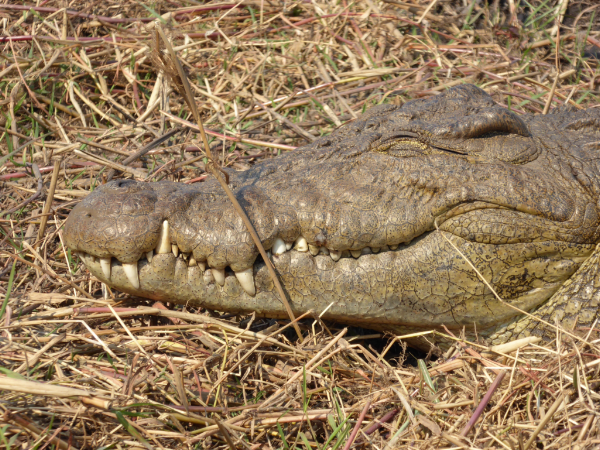
Crocodiles kill about 1000 people each year. They are dangerous animals and are found in many places across the world. Most crocodile attacks in sub-Saharan Africa are caused by the Nile Crocodile, which is very aggressive. Many people get killed in Africa because they are near the water, washing clothes, or getting water. In Australia, which also has lots of crocodiles, only 2 attacks happen each year because most locals can avoid crocodile infested areas.
You will be safe from crocodiles if you avoid getting in the water and walking along riverbanks. Last year, some people were attacked by a crocodile while swimming after a local told them it was safe. They survived, but be cautious about going into the water in countries that have crocodiles unless you are absolutely certain it is safe. Don’t trust someone else’s opinion unless you have a good reason to trust them.
If a crocodile bites you, get away as quickly as possible. Don’t stop to fight. If it holds on to you, attack its eyes anyway you can. If all else fails and you are pulled underwater, hold the flap of tissue behind its tongue; this will cause the crocodile to swallow water.
Bears
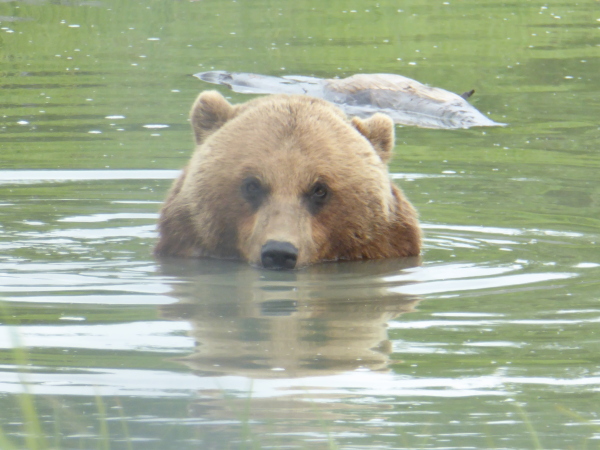
Wild bears are most likely found in North America, especially Alaska, although they can be found in other places, including Europe. In North America, between 2 and 5 people are killed by bears, and about 40 people are attacked worldwide each year.
Bears are not as dangerous as many other animals, but when you are walking along with your family in a wood, in bear territory, the thought of meeting a bear around the next corner can be worrying.
I have seen a few wild bears either from a safe distance or while in my car. When out walking in bear territory, my children were quite happy to sing all the time to let the bears know we were there, as bears usually avoid people. If you don’t want to sing, you can always wear bells that jiggle as you walk and warns the bears of your approach; however, I am not sure they are that useful, as the bears have to be very close to hear them. Talking very loudly or clapping can do the trick, especially at corners of a path or a brow.
Walking in groups of three people or more is safer, and in some places in the USA, this has been a requirement to walk specific routes. Walking at dusk, dawn, or night is the most dangerous time. If you do see a bear, back away slowly; do not run. Much like a dog, if they see you running, they will chase you. They won’t necessarily approach you, and if you keep calm and remove yourself from the area, they will probably leave you alone.
Bear sprays can be helpful if a bear suddenly appears or charges at you. You need to have the spray at hand at all times, not in your backpack and know how to use it properly. Start using the spray when the bear is 50-60 feet away from you and spray it towards the bear, but slightly down so the mist rises into the bear’s face. This will temporarily reduce a bear’s ability to breathe, see, and smell, and you can get away. However, it is not foolproof; bears can charge more than once, and each spray can only last for 5-9 seconds. You can sometimes get a larger can. When using a spray, apply it in short bursts. Avoid the bears if you can and only use the spray as a last resort.
Don’t climb trees, as the bears can climb trees better than most people. I have heard people say to fight back aggressively if a black bear attacks, or play dead if a grizzly bear attacks you. If I saw a bear close up, I doubt I would remember how to tell which type of bear it was. As a tourist, you are highly unlikely to get into this situation if you are paying attention to your surroundings and letting the bear know you are there. If you are camping in bear territory, learn how to store food safely.
Moose
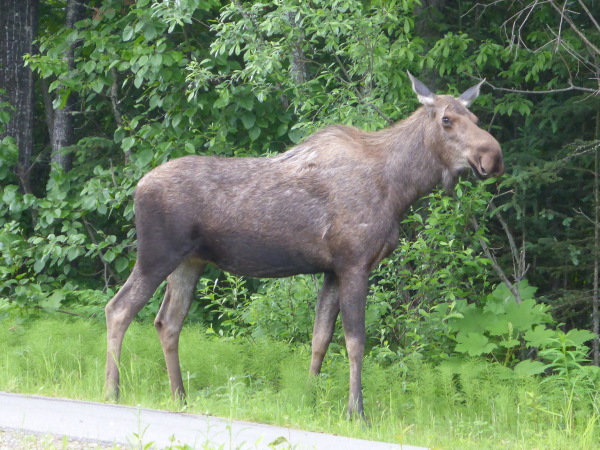
Did you know moose are more dangerous than bears? We didn’t, we went to Alaska and were walking along a path, and a person stopped us to warn us about a moose ahead. When we returned along the same route, a car stopped to warn us of the moose.
We took a long detour around the area, but we were confused as to why everyone was so worried about an animal that resembled a large deer. Then we talked with a local, and he explained how dangerous a moose can be. He told us his wife carried a small gun when out running in case a moose attacked her. Only a few months before, a moose killed a young man.
Each year in Alaska, 5-10 people are injured by moose, a higher number than those injured by bears because there are more moose. You don’t need to panic, but don’t underestimate them and give them their space.
- If you find yourself close to a moose, talk softly and back away.
- If they charge at you get behind a rock or a tree.
- If a moose knocks you down, curl up and protect your head.
Lions, Hippos and Elephants
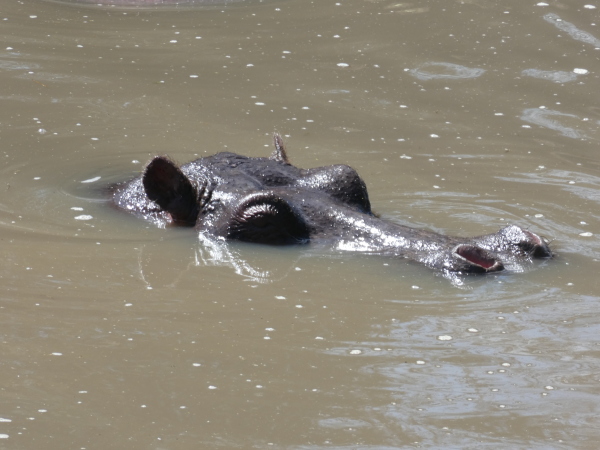
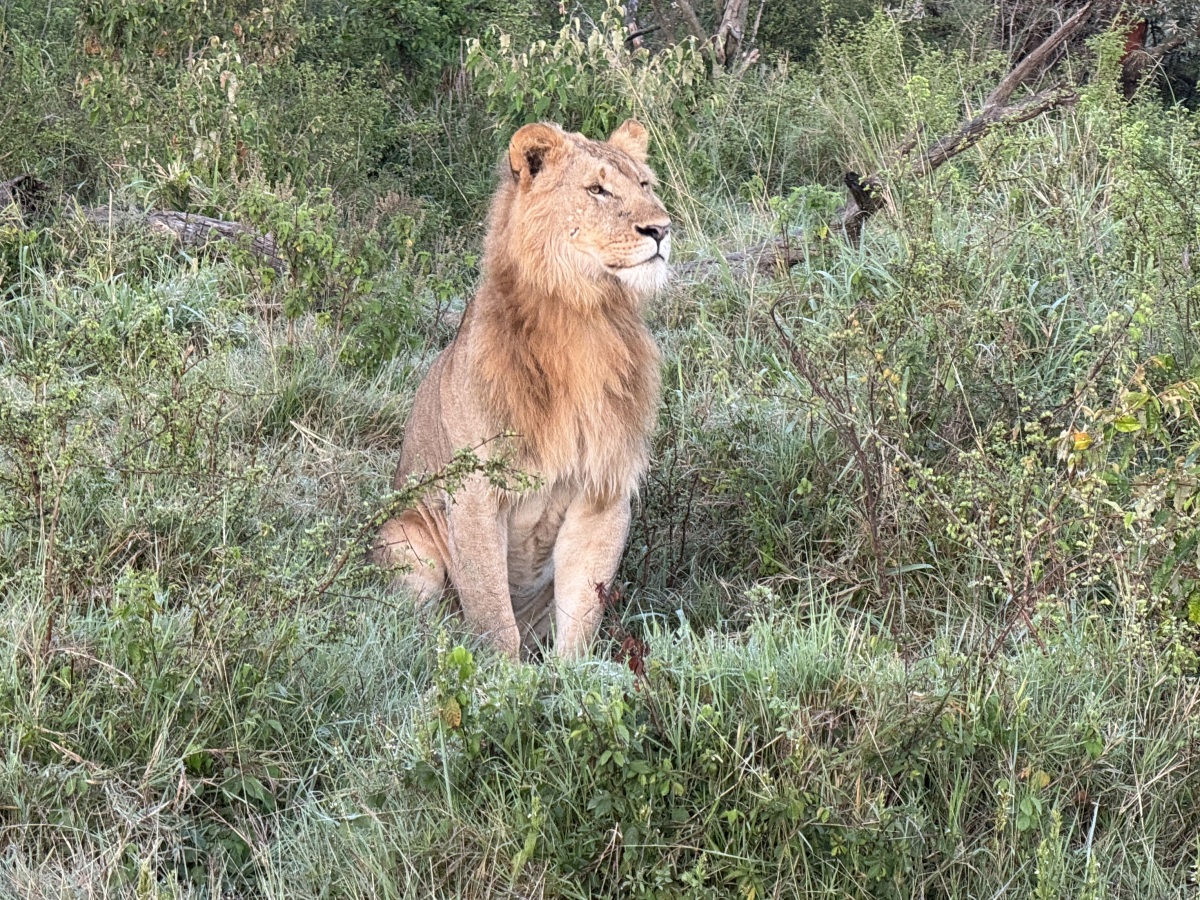
Lions kill about 22 people a year, elephants, and hippos kill about 500 each. These animals generally only kill the locals. It’s not because these animals prefer the locals. Tourists are usually wary of these animals and have guides with them who prevent them from getting too close. The locals have to live near the animals and are getting on with their lives, not looking out for the animals.
Buffalo
Cape Buffalo in Africa kill about 200 humans each year. They can be aggressive, have an unpredictable temperament, and are fiercely protective. They can also run fast when they want to. It’s best to keep your distance from them.
Animals that are not as dangerous as people think
Sharks
Sharks are not as dangerous as you might think. On average, only 6 deaths a year are caused by sharks and about 80 bites. Not all sharks are dangerous.
We have snorkelled with sharks swimming around us, and we all survived, so I presume they must have been safe sharks. I did have an expert with me. Unless you are with an expert, do not go into areas where a shark is present.
To avoid shark attacks –
- Don’t swim at night, dusk or dawn.
- Don’t swim near sandbars or near steep drop-offs.
- Don’t swim if you are bleeding.
- Swim with a group close to shore.
- Avoid shiny jewellery or bright clothing.
- Avoid water being fished in.
- Don’t splash about a lot.
Wolves
Wolves kill about 10 people each year, so compared to all the other things which can kill people, wolves are not something to be particularly worried about. Historically, wolves have been a problem, but now that their numbers are so few, most people have little contact with them. Most wolves will try to avoid people; those wolves that do attack for no reason often have rabies.
.
Poisonous spiders
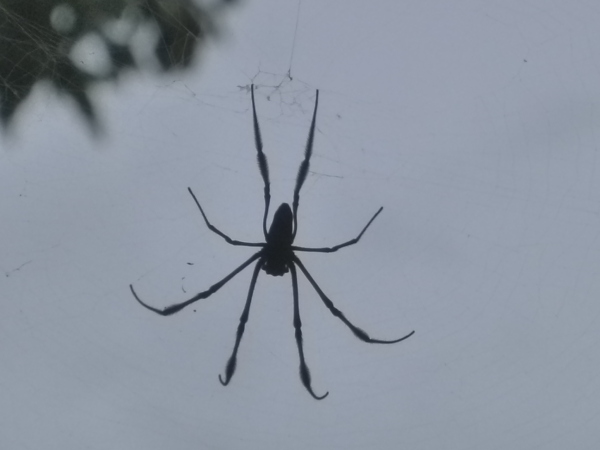
Spiders should not be on a list of dangerous animals but I have included it because lots of people think they are highly dangerous. This was one of the major threats that friends from the UK said was in Australia. In fact, worldwide fewer than 10 people are killed by a spider each year. The toaster in your kitchen is more dangerous as it kills over 700 people each year.
What to do as a tourist
Tourists keep a distance from animals
- Find out the facts. Once you book a holiday, take a quick look at things to be careful about in that country. Most likely, you will find areas that are unsafe because of mankind, not animals. But if you plan to spend time in the sea or out in nature, you could check on any wildlife you need to avoid.
- Take precautions. You might, for example, wear water shoes when paddling in the sea, to protect yourself from cone shells or use a stinger suit when snorkelling to protect yourself from jellyfish.
- Several insects like hiding in shoes; you don’t want to put your foot in a shoe with a scorpion or funnel web spider in it. In places where insects can be a problem, get into the habit of turning your shoes up and giving them a good bang so you can see if anything crawled into them.
- Find out what you should do if an animal bites you, and whether you should get medical help. In some areas of Australia, vinegar is available by the beach for treating any box jellyfish sting, which reduces the venom released.
- Don’t get close to dangerous wild animals. You might think it is obvious, but I have seen people get out of their cars to take a closer photo of a bear, and others get really close to buffalo to take a selfie.
- When you see a dangerous animal in the wild that you have only ever seen on television or at a zoo, you might not have the instinct to be scared. Remember how dangerous they are, even if your instincts don’t work.
- Listen to what the locals tell you. If they say something isn’t safe, believe them.
- Get medical attention for any bite or sting you are not sure about. My husband lost his eyesight two weeks after being stung by something in the sea on holiday. We will never know if the sting caused him to be partially sighted now, but if we could go back in time, we would go to a doctor and have the sting checked out.
- Don’t be put off going to a place because of all the tales of dangerous animals. Find out the facts and don’t believe the tall stories.
Summary
As a tourist, you don’t need to worry about all the dangerous animals in the world. Most people who animals kill are locals, not because they taste better, but because they live beside the animals and have more contact.
The only time when tourists are more at risk is when they lack the knowledge to be cautious. Taking selfies has increased this risk.
Remember, the most dangerous animal out there is a human, but you don’t need to avoid them.
If you are scared of some animals, don’t be; your natural instincts are strong and that will keep you safe. Just brush up on local knowledge.
If you are fearless, that’s great, but remember to use some common sense and realise not all animals enjoy close contact, even if they look cute.
Tomorrow I am heading off on a safari as I am in Kenya. I am all prepared to meet the most dangerous creature in the world, who sneaks up and you often don’t know is lurking nearby. I have a long-sleeve shirt, long trousers and several bottles of mosquito repellent. The mosquitoes love me, but I don’t love them. I hope to see a few less dangerous animals like hippos, lions and elephants.
Go and enjoy your holiday.
Leave a Reply