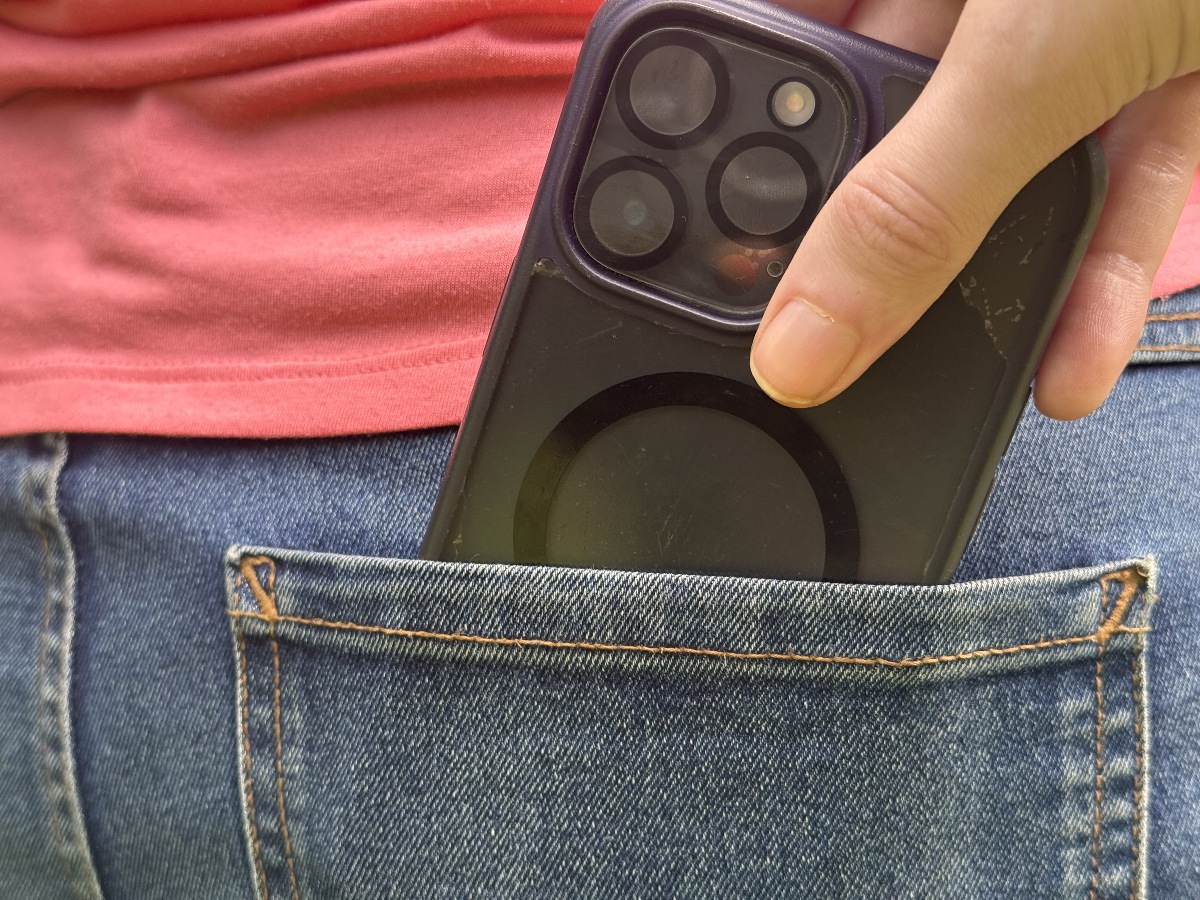
Having your credit card, money, passport, or phone stolen is a horrible feeling. Most people don’t realise something is missing until they reach for it and find it gone. You are relaxing, having a good time, when suddenly everything changes. Your stomach drops, your mind races, and you’re wondering how you’ll manage for the rest of the day, let alone the rest of your trip.
It might not feel like it at the time, but a theft doesn’t have to ruin your holiday. Once the immediate problems are sorted, many travellers go on to enjoy the rest of their trip—and some even end up laughing about the experience later. My husband had his wallet stolen and had no cash or cards for the evening meal, but we managed to sort it out and still had an enjoyable holiday.
If it happens to you, here’s what to do.
1. Don’t Panic
The first thing to do is give yourself a moment.
If you’ve been the victim of a violent theft or mugging, it’s completely normal to feel shaken up. Sit somewhere safe, take stock of the situation, and try to think through what has actually happened.
Before assuming the worst, double-check that the item really is missing.
We used to run a youth club, and nearly every week, a kid would come up to us, saying they had lost their money. Every time, without fail, it was in a different pocket.
Once you’re sure something has been stolen, work out exactly what is missing and what you still have. Some things are more urgent than others, so by not panicking and working in a logical order, you can limit some of the possible problems.
Ask yourself:
- Do I still have my passport?
- Do I have another bank card?
- Do I have access to money?
- Am I travelling with someone who can help?
- Can I borrow a phone or use a computer?
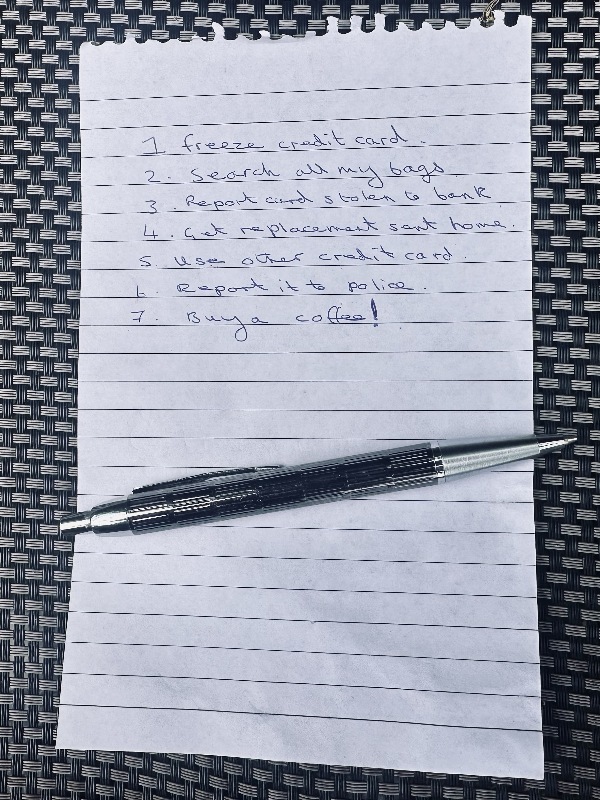
Make a simple list of what needs to be done and put the most urgent tasks at the top. Crossing items off as you go can help you regain a sense of control.
2. Deal With the Most Urgent Problem First
Some problems can’t wait.
If a credit card has been stolen, report it immediately so nobody can use it.
If your phone has been stolen, secure your accounts as quickly as possible.
Once you’ve dealt with anything that could cost you money or expose your personal information, you can focus on practical matters such as getting access to cash, replacing documents, or arranging transport and accommodation.
3. Report the Theft to the Police
Visit the local police station as soon as possible. Realistically, the chances of recovering stolen items are low, so going there can feel like a waste of time, but a police report is important. You may need it for:
- Insurance claims
- Passport replacement
- Credit card disputes
If you’re on a package holiday and have a travel representative, they should be able to help.
If the theft happened in your accommodation, don’t assume the hotel will report it on your behalf. Many hotels can be very helpful, but if the thief was inside the hotel, often they are embarrassed or worried that it will ruin their reputation.
Make sure you obtain your own police report and reference number.
4. If Your Credit or Debit Cards Are Stolen
Many card providers offer a way to freeze your card in their app. This is a good temporary measure while you sort yourself out.
Make absolutely sure the card is stolen and not simply misplaced, as cancelled cards cannot usually be reinstated. If you are sure it is lost or stolen, contact your bank or card provider.
Getting a replacement card sent abroad can be difficult, although some providers may offer emergency services. Ask what options are available and whether emergency cash assistance is included with your account.
Some people have their credit card sent to their home and then have a friend forward it to them, but they often run into difficulties, as most courier services won’t transport credit cards. I know people have got around this problem, but if you do have a credit card sent to you, make sure it has not been activated.
5. Getting Access to Money
If your cash has been stolen, most people worry that they are completely stuck, particularly in countries where credit cards aren’t widely accepted. In reality, when you have time to think, there are normally solutions.
Possible options include:
- Borrowing money from friends or travelling companions.
- Using another bank card or account.
- Emergency cash services offered by your bank.
- Money transfer services such as Western Union or MoneyGram.
- Assistance from family or friends back home.
As a last resort, your embassy may be able to loan you some money in genuine emergencies; they will normally expect you to have explored other options first. From what I hear, it is a bit like getting blood out of stone.
6. If Your Passport Is Lost or Stolen
Contact your embassy or consulate as soon as possible. Often, you can start the process online.
Most countries can issue emergency travel documents that allow you to continue your journey or return home. The exact process varies depending on your nationality and location.
Having a photocopy or digital copy of your passport can make replacement much easier, so it’s worth keeping one stored securely online before you travel.
7. If Your Phone Is Stolen
For many people, losing a phone is a nightmare. Their whole life is on the phone, and they can’t function without it. Work your way through the list of things you need to do, and then you can work on getting a replacement.
If there’s a chance you’ve misplaced it, use the phone’s tracking features to locate it.
If you can see where the phone is and believe it has been stolen, tell the police. Do not attempt to recover it yourself.
As soon as possible:
- Lock the device remotely.
- Erase personal data remotely.
- Contact your mobile provider to suspend the service.
- Change important passwords, starting with your email account. Email is important as it stops thieves from using your email to authenticate other accounts.
- Don’t forget any shopping accounts, such as Amazon or other online delivery services.
- Send a message to all those on your email / social media to advise them that your phone has been stolen and not to be fooled if they get messages for financial help from your email address.
- Review banking, payment, shopping, and social media accounts for suspicious activity for several weeks.
8. If Your Keys Are Stolen
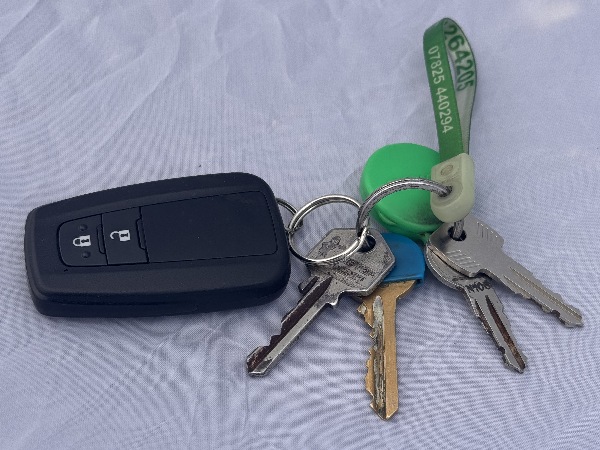
Stolen keys can create problems, but it is pretty common for people to lose keys, and therefore, systems are in place.
If there’s any possibility the thief could identify your home or vehicle, arrange to have the locks changed as soon as possible. Otherwise, it is easier to do it when you return.
If you have spare keys and there is no obvious link between your stolen keys and your address, the situation may be less urgent, but it’s still worth assessing the risk carefully.
There are locksmiths based near some airports who will meet you at your car and ensure you can access it if your car keys were stolen.
Check whether your home or vehicle insurance includes key cover, as some policies will pay for locksmith costs.
How to Reduce the Risk
You can’t eliminate the risk of theft completely, but you can make life much easier if something does happen.
Before travelling:
- Learn about common tourist scams in your destination.
- Avoid keeping valuables in back pockets or easily accessible bags.
- Stay alert in crowded tourist areas and transport hubs.
- Enable “Find My” or equivalent tracking services on your phone.
- Put a tracking device in your bag and wallet.
- Make sure your phone is set so access is not allowed when locked to the control centre, Siri, or your wallet.
- Keep a list of emergency contact numbers somewhere accessible.
- Store copies of important documents securely online.
- Carry more than one way to access money.
Most importantly, don’t keep everything in one place. Separating cards, cash, and documents can turn a disaster into an inconvenience.
Final Thoughts
Being robbed can be upsetting, frustrating, and expensive, but it doesn’t have to ruin your trip.
Many thefts are carried out by highly skilled criminals who target distracted travellers. Don’t waste energy blaming yourself. Focus on the immediate priorities, work through them one at a time, and ask for help when you need it. Most problems can be solved surprisingly quickly once you have a plan. My husband and I managed to cope with the lack of money until we could arrange to get more and went on to have an enjoyable holiday.
When it’s all over, treat yourself. You’ve earned it after a very stressful day.
Leave a Reply